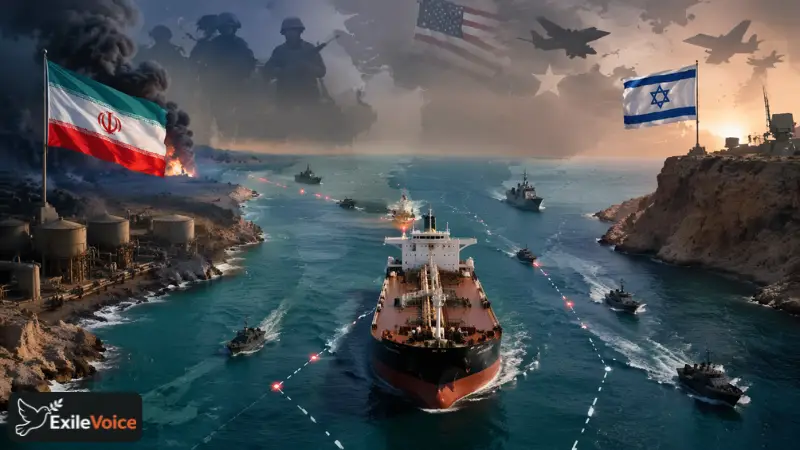
The Strait of Hormuz has once again become a global flashpoint, with escalating tensions between Iran, Israel, and international shipping interests. This narrow waterway, through which a significant portion of the world's oil passes, is currently the stage for a complex "gray zone" conflict that threatens to derail fragile ceasefire negotiations and ignite a broader regional war.
Recent reports from Al Jazeera and other international outlets indicate that Israel is preparing for a renewed offensive, following a series of skirmishes in Lebanon. Despite diplomatic efforts by the United States, including statements from the Trump administration regarding a ten-day ceasefire, hostilities have continued. Iran has responded by hardening its stance, with its Deputy Foreign Minister stating that Tehran is no longer prepared for direct negotiations with Washington. The primary lever of Iranian influence remains its ability to blockade or harass shipping within the Strait of Hormuz, a tactic that has immediate global economic repercussions.
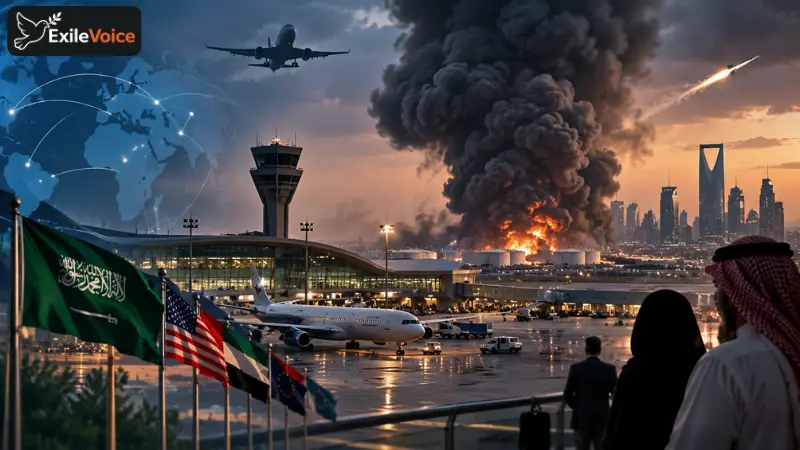
The situation took a specific turn for South Asian interests when two Indian-flagged vessels were reportedly fired upon by the Iranian Revolutionary Guard’s fast boats. In response, New Delhi summoned the Iranian ambassador to lodge a formal protest. While Tehran has assured that it will investigate the incident and prevent future occurrences, the event highlights the precarious nature of maritime security in the region. For countries like Pakistan, the stakes are equally high. Despite official claims of having a 28-day fuel reserve and defensive pacts with Saudi Arabia, the disruption of the Hormuz route is already being felt through inflationary pressures and energy supply uncertainties.
Professional analysis suggests that while both sides, the US-led bloc and the Iranian-led "Resistance", publicly project a readiness for war, the economic cost of a total blockade is a deterrent. The global economy, already struggling with post-pandemic inflation, cannot withstand a sustained $150+ per barrel oil price. Therefore, the most likely scenario is a period of "controlled instability," where negotiations break and resume repeatedly. However, the risk of a miscalculation in the narrow confines of the Strait remains high.
For regional players, the strategy must be one of diversification and diplomatic neutrality. The reliance on this single maritime artery for energy security is a strategic vulnerability that requires long-term investment in alternative pipelines and energy sources. Until then, the Strait of Hormuz remains the ultimate barometer for global geopolitical health.