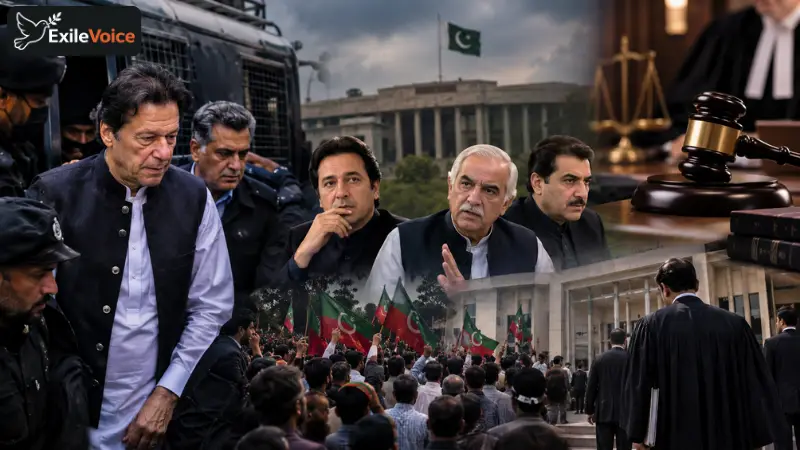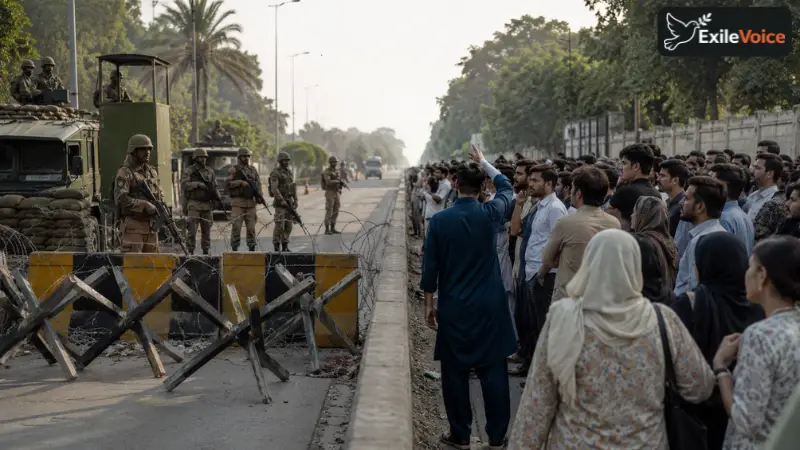
In a significant development reflecting the growing tensions regarding civil-military relations in Pakistan, Sohail Afridi has issued a direct challenge to the establishment by calling for the immediate removal of all military-imposed obstacles within Cantonment (Cantt) areas. These areas, often considered the most prestigious and expensive neighborhoods in major cities like Lahore, Rawalpindi, and Karachi, have long been under the administrative control of military authorities. Afridi's demand centers on the principle that public roads are constructed for the convenience and mobility of the common citizen, not to serve as private security barriers for military installations.
For years, citizens have navigated heavily fortified checkpoints that restrict movement in prime urban spaces. Critics, including Afridi, argue that the military's pervasive occupation of these areas, ranging from the conversion of public spaces into golf courses to the obstruction of major arteries, fundamentally undermines the rights of the public. This issue gained prominence after it was revealed that in some instances, land designated for natural drainage was repurposed for private housing schemes, leading to tragic consequences, such as the flooding of roads and loss of life during heavy rains in the twin cities of Rawalpindi and Islamabad.
Furthermore, the discussion touches on the historical context of these lands. Military authorities have often cited colonial-era legacies, such as agreements made during the British Raj, to justify their control over massive tracts of land. However, legal experts and critics argue that in an independent sovereign state, these justifications are outdated and inappropriate. The attempt to maintain these barriers under the guise of security is viewed by many as an encroachment upon public property. As Afridi demands a clear path for residents, the focus is now on whether this directive will lead to tangible policy changes or if it will be met with the typical resistance from the establishment. The outcome of this stand will serve as a bellwether for the influence of civilian leadership in reclaiming public space and challenging long-standing institutional privileges.