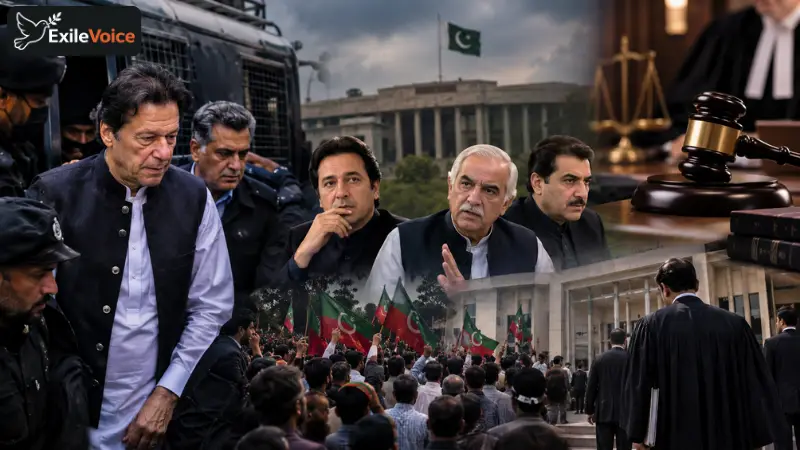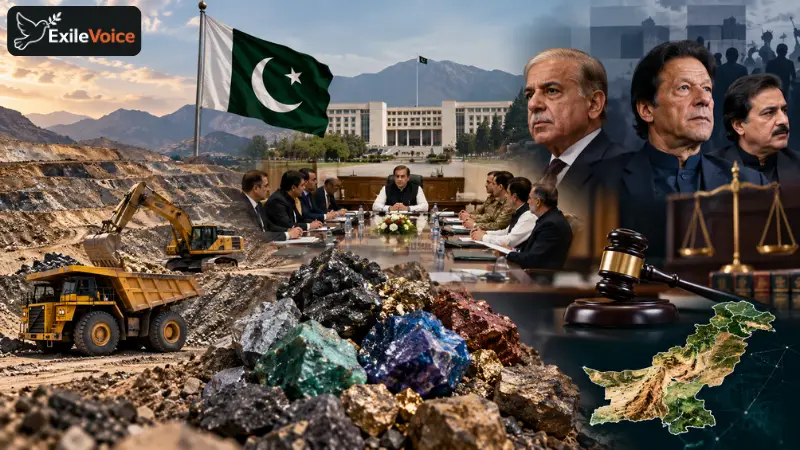
The current political discourse in Pakistan is characterized by deep uncertainty and intense speculation regarding the longevity of the incumbent administration. Recent commentary from prominent media figures and political analysts suggests a growing sentiment that the existing governance model faces significant challenges. This shift in narrative is evidenced by a growing chorus of observers claiming that the political capital of the current leadership may be waning, prompting questions about the future of political stability in the region.
Simultaneously, the opposition continues to attempt to organize, with recent gatherings held internationally, such as those in Washington, D.C. However, these efforts have been met with mixed reviews. While supporters view these international forums as essential platforms for highlighting internal issues like the "May 9" events and administrative crackdowns, others have criticized the movement for lacking the widespread attendance and cohesive strategy necessary to mount a significant challenge to the status quo.
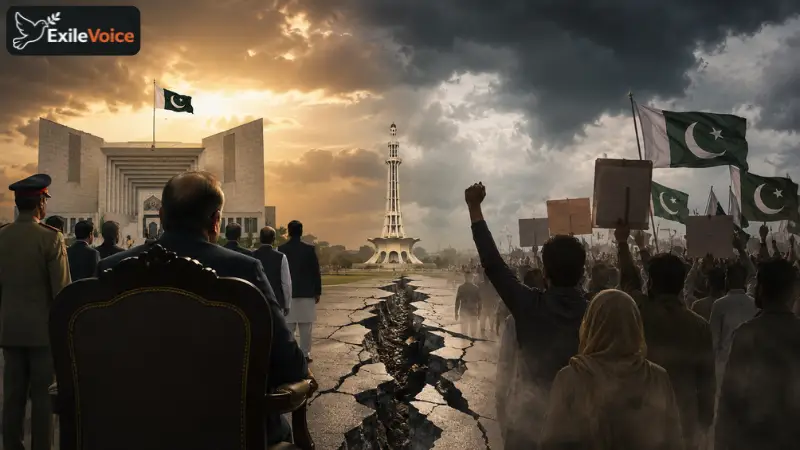
The relationship between political actors, governance, and institutional expectations remains complex. Observers note that while compliance with established power structures remains a hallmark of the current administration, the persistent gap between governance promises and reality continues to fuel political friction. As the nation moves forward, the ability of both the government and the opposition to address these structural issues will determine the trajectory of Pakistan’s democratic process.