

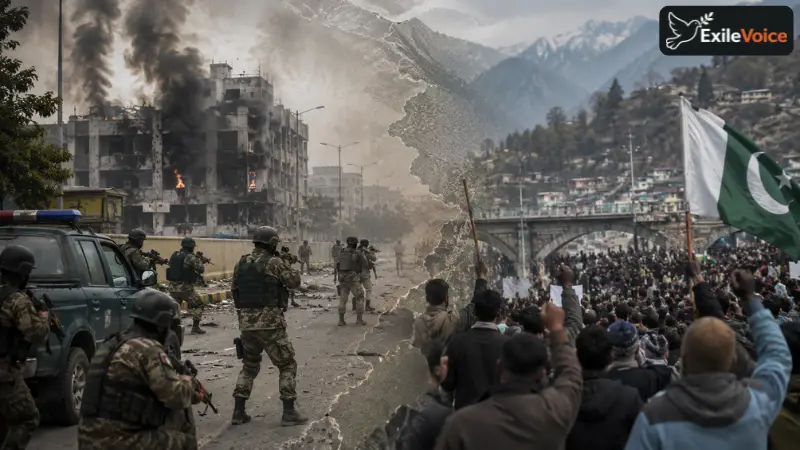
Pakistan is grappling with renewed security concerns following a high-profile attack on the Karachi Rangers headquarters in Gulshan-e-Johar. The assault, which resulted in casualties among security personnel and the attackers, has prompted widespread speculation regarding the internal security apparatus and the evolving nature of militant threats. Preliminary reports suggest that a splinter group associated with the Tehreek-e-Taliban Pakistan (TTP) was responsible, signaling a potential shift in the group’s strategic operations toward urban centers.
This attack follows a period of relative calm in Karachi, prompting analysts to debate its underlying motivations. Some observers suggest the incident is part of a broader TTP effort to expand its operational theater from the frontier regions into Pakistan’s major cities. Simultaneously, domestic political analysts have raised concerns about the broader political implications of such security breaches, suggesting they may precede significant shifts in city governance or lead to intensified security clearance operations.
Beyond the immediate security fallout, the article examines the ongoing civil unrest in Azad Kashmir. Tensions have been high since the government's decision to ban the Joint Awami Action Committee, leading to widespread protests and reports of supply chain disruptions. The situation has been further strained by allegations of official harassment against the Kashmiri diaspora and the use of government pressure to suppress dissent.
The contradictory narratives provided by the state, denying the severity of the protests while later acknowledging the need for government intervention, highlight a deepening crisis of credibility. As trade and transport organizations in Muzaffarabad announce the end of their strikes due to government promises of support, the underlying grievances regarding electricity, flour, and gas prices remain largely unaddressed. This cycle of denial and reactive policy has exacerbated public distrust, leaving the long-term stability of the region in a precarious state.

