For decades, Pakistan and Saudi Arabia have maintained a relationship often described as a "brotherly bond," underpinned by shared religious values, economic interdependency, and a robust military-to-military connection. However, a recent Mutual Defense Agreement signed between Islamabad and Riyadh has suddenly shifted from being a symbol of strategic depth to a source of profound anxiety for Pakistani policymakers. The pact, which reportedly dictates that an attack on one is an attack on both, was initially envisioned as a mechanism for "cash-for-deterrence." The expectation was simple: Pakistan provides a security umbrella, potentially even a nuclear one, in exchange for massive Saudi investments, oil facilities, and sovereign wealth fund injections.
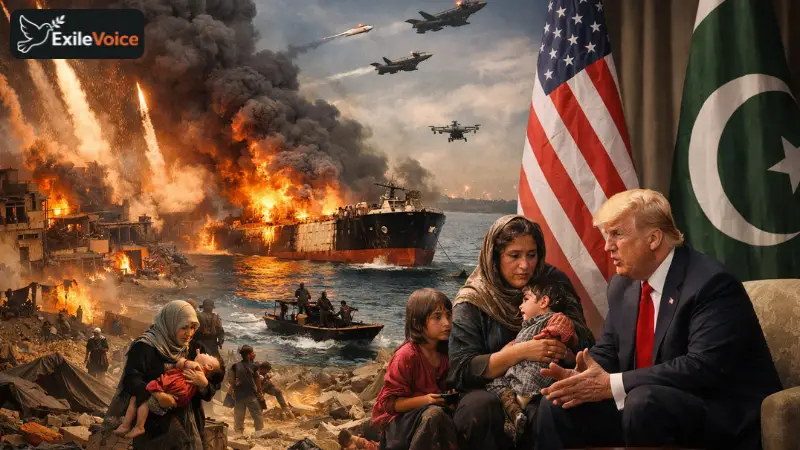
As the conflict in the Middle East escalates toward its one-month mark, the reality of this agreement is setting in. Senior military leaders in Islamabad are now voicing concerns that Pakistan might be "drawn into a conflict alongside Saudi Arabia" without the promised economic rewards. To date, the anticipated flood of Saudi investment has been more of a trickle, yet the security obligations remain legally and strategically binding. This predicament was exacerbated when Iranian missile and drone strikes hit Prince Sultan Air Base, a key Saudi installation. For Pakistan, the nightmare scenario is no longer theoretical: if Saudi Arabia enters a direct war with Iran, Pakistan’s defense pact could force it into a front-line role against a neighboring brotherly Muslim state. The internal regret within Pakistan’s establishment is becoming public through strategic leaks. Diplomats and analysts are questioning the wisdom of entering into such a high-stakes agreement without exhaustive parliamentary debate or a clear National Security Council mandate. The "nuclear umbrella" assumption, often hinted at by officials like Defense Minister Khawaja Asif, has placed Pakistan in the crosshairs of global scrutiny. International headlines now openly speculate whether Pakistan would be compelled to launch a nuclear strike on behalf of Riyadh, a narrative that severely damages Pakistan’s standing as a responsible nuclear power.
Furthermore, the lack of "trust" from Tehran complicates matters. While Iran officially appreciates Pakistan’s offers to broker peace, the underlying defense pact with Saudi Arabia makes Pakistan appear less like a neutral mediator and more like a regional proxy. This dual-track diplomacy, trying to be a loyal security partner to the Gulf while maintaining "brotherly" ties with Iran, is reaching a breaking point. As global powers like the U.S. and China increase their presence in the region, Pakistan finds itself trapped between its "sugar daddy" patrons and the harsh reality of its own geographical and economic limitations.