

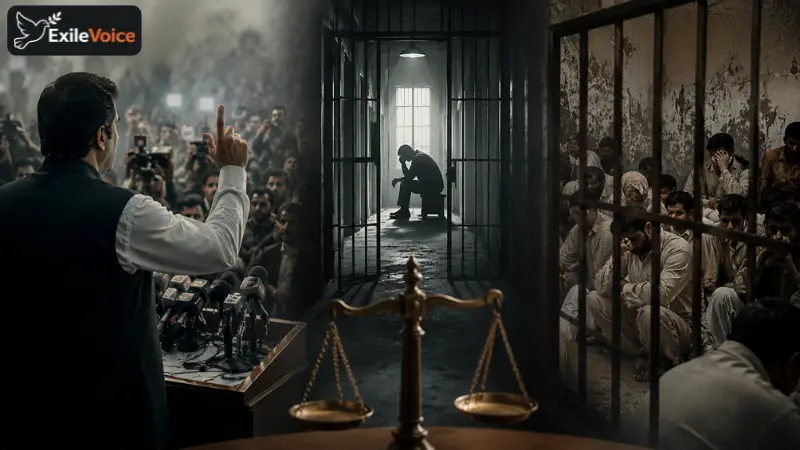
The issue of prisoner rights and prison reform has become a recurring theme in Pakistan's political landscape. Recently, high-profile figures have used public platforms to share their personal experiences while incarcerated, highlighting conditions such as solitary confinement and access to basic amenities. These narratives, often presented in seminars or public conferences, aim to shed light on the challenges faced by those within the penal system.
However, these testimonials are frequently met with intense skepticism from political opponents and analysts. Critics argue that the portrayal of prison life by certain politicians is performative, intended to garner public sympathy while obscuring the reality of their incarceration, which they contend was far more comfortable than what is described. The discourse often shifts from a genuine discussion on systemic reform to a polarized debate about the credibility of these claims, with accusations of exaggeration or outright fabrication.
Furthermore, the selective focus on the rights of specific prisoners, while ignoring the plight of others in the same system, is frequently pointed out as a point of contention. The use of "button-pressing" rhetoric or dramatic declarations to imply power or control over national issues, such as electricity supply or prisoner releases, is viewed by many as political theater rather than substantive policy engagement.
The core of the issue lies in the credibility gap. When political figures use their platform to talk about prison reform without addressing the systemic injustices faced by the common prisoner, the conversation risks becoming disconnected from reality. For true reform to take place, the discourse must move beyond anecdotal personal experiences and focus on the legal, infrastructural, and human rights changes required to bring Pakistan's prisons up to standard. Without this, the conversation remains trapped in the cycle of political point-scoring rather than meaningful governance.

