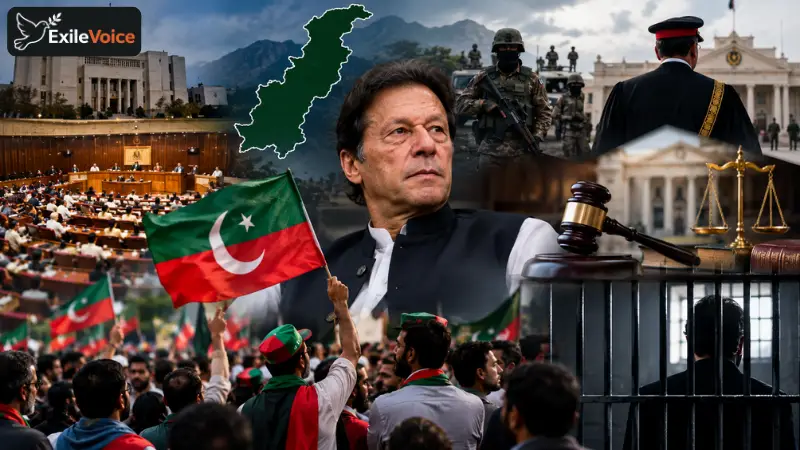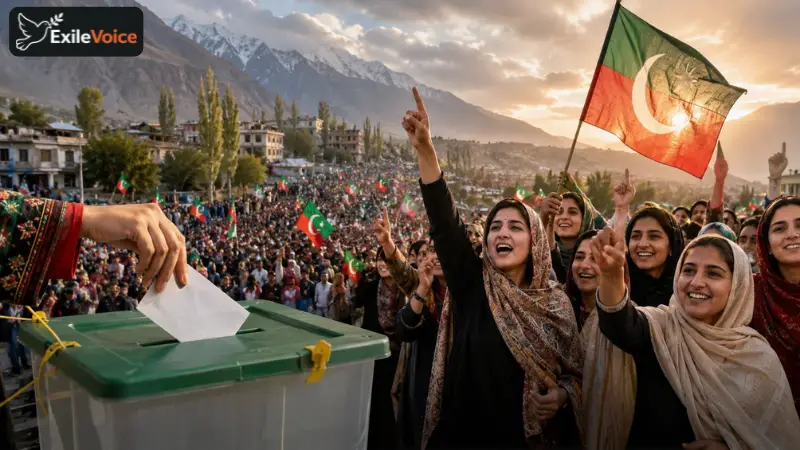
The recent elections in Gilgit Baltistan have marked a significant turning point in the regional political landscape of Pakistan. In an unexpected turn of events, independent candidates backed by Pakistan Imran Khan's party, Pakistan Tehreek-e-Insaaf (PTI), secured a historic landslide victory across the territory. Despite the absence of their traditional electoral symbol and facing severe structural constraints, these candidates systematically outperformed long-established political groups, including the Pakistan Peoples Party (PPP) and the Pakistan Muslim League-Nawaz (PML-N).
Initial field reports and polling booth metrics reveal an unprecedented surge in voter turnout, driven primarily by an exceptionally high participation rate among women voters. Observers from various constituencies reported that female voter turnout surpassed eighty percent in multiple areas, representing a fundamental demographic shift in how local populations engage with the electoral framework. This massive influx of voters fundamentally altered structural calculations, rendering standard political predictions obsolete.
In specific regional strongholds, the margin of victory highlighted the depth of public sentiment. For instance, in the village of Rattu within the GBLA-6 constituency, local tallies showed PTI-backed candidates securing over eleven hundred votes, while competing mainstream parties were restricted to double or single digits. This localized pattern replicated itself across twenty-one out of twenty-four general seats, demonstrating a widespread systemic rejection of traditional political engineering.
The aftermath of the vote has introduced a state of logistical and administrative tension. Accusations regarding the withholding of Form 45 official result certificates have emerged from multiple political camps, causing panic among political actors who previously expected a controlled outcome. Senior political figures from the PPP have publicly expressed concerns regarding administrative pressures faced by presiding officers to delay or alter the final tallies. The resulting standoff has disrupted high-level government negotiations in Islamabad, leading to the postponement of scheduled leadership meetings between the ruling coalition partners as they scramble to assess the implications of the Gilgit Baltistan mandate.
This electoral outcome demonstrates the limits of institutional pressure when facing highly motivated public participation. The strategy of dismantling a party’s organizational hierarchy failed to yield the expected results, as voters bypassed traditional organizational structures to directly endorse candidates based on broader ideological alignments. The event sets a critical precedent for constitutional and electoral politics across Pakistan, proving that grassroots democratic mobilization can survive and thrive under the most challenging legislative environments.