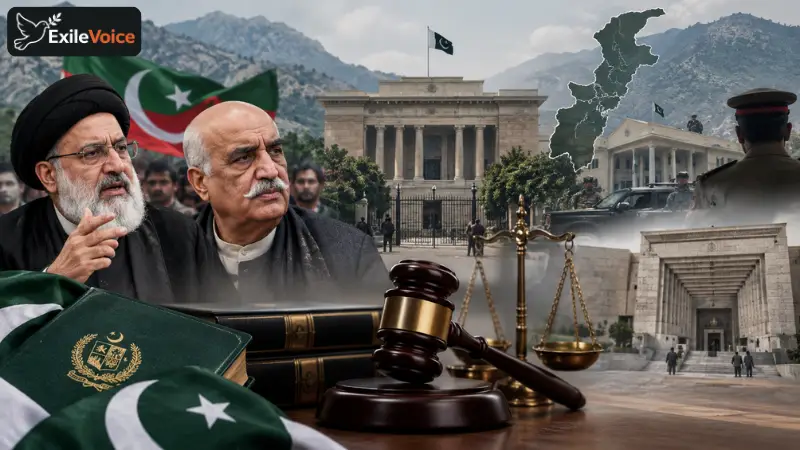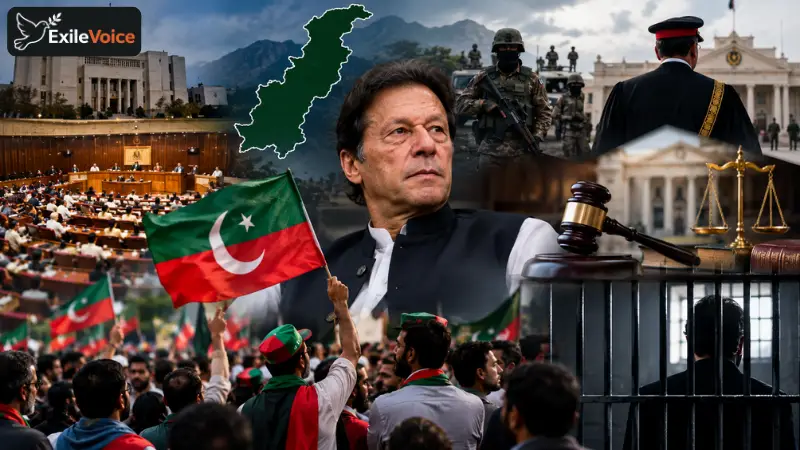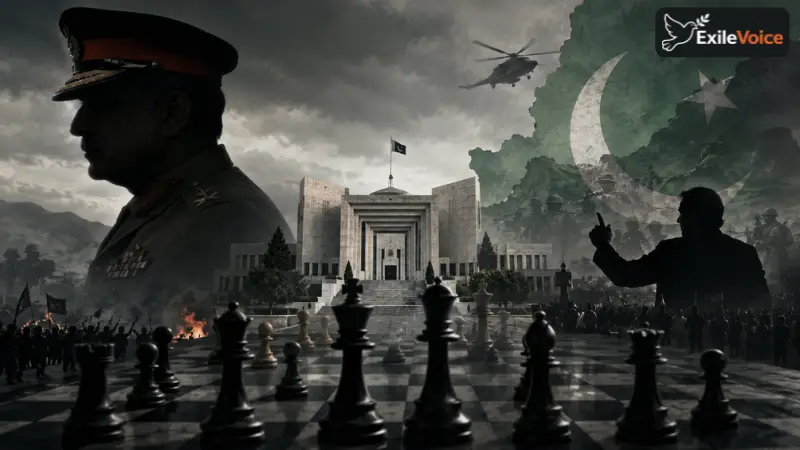
Political landscapes are frequently shaped by historical grievances, institutional friction, and controversies involving high-ranking figures. In Pakistan, discussions surrounding governance and leadership decisions remain tense, driven by debates on transparency, administrative effectiveness, and security challenges. Anniversaries of tragic events, such as the helicopter crash that claimed the life of Lieutenant General Sarfraz Ali, often bring underlying institutional friction to the forefront. Public discussions frequently revisit how such losses are handled, highlighting disputes over protocol, public mourning, and political access.
At the same time, administrative structures face criticism from various political factions regarding economic policies, border security, and regional autonomy. Debates over potential administrative restructuring, such as the division of provinces, have triggered pushback from established political parties concerned with maintaining regional influence. Furthermore, allegations of financial mismanagement and capital flight involving bureaucrats and political figures have intensified political polarization.
As civil and military leadership navigate these complex dynamics, analysts emphasize the need for transparency, adherence to the rule of law, and institutional reform. The ongoing friction between ruling coalitions, opposition groups, and state institutions continues to redefine the nation's political trajectory, presenting ongoing challenges for governance and public trust.