

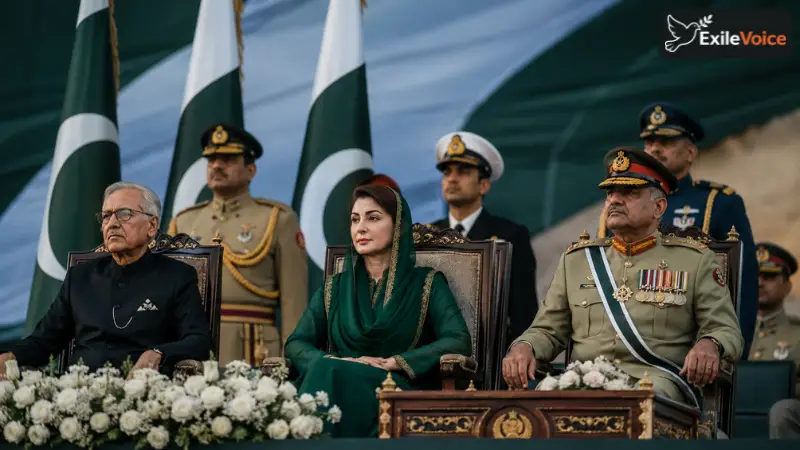
High-level state ceremonies are rarely just matters of scheduling; they are intricate performances of power, hierarchy, and political signaling. The recent event marking a significant monument inauguration in Pakistan provided a revealing case study in the complexities of state protocol and the projection of authority. For political observers, the positioning of individuals on stage, who stands where, who is absent, and the orchestration of the ceremony, offers critical insights into the internal dynamics of the current political environment.
In this instance, the prominence of specific political figures, particularly Maryam Nawaz, alongside military leadership, raised significant questions regarding traditional protocol. In a conventional democratic setting, state protocol is strictly governed by the hierarchy of elected officials, starting from the President and the Prime Minister. However, when these hierarchies are blurred, it signals a significant shift in political alignment. The absence of other key stakeholders, such as provincial Chief Ministers and the designated First Lady, created a visual narrative that was heavily analyzed by both media and the public.
Furthermore, the utilization of symbolic props, such as national flags, by participants who are not inherently connected to the military institution, adds another layer of political theater. These gestures are often interpreted as attempts to consolidate political image, particularly in an environment where legitimacy is frequently contested. The presence of military leaders in a dominant "master of ceremonies" role, while civilian leadership occupies a secondary or supportive position, reflects a broader trend of shifting power dynamics within the state. From a professional standpoint, this analysis underscores how visual messaging in state ceremonies is used to communicate authority, test public sentiment, and solidify political narratives, often transcending the formal rules of administrative conduct.

