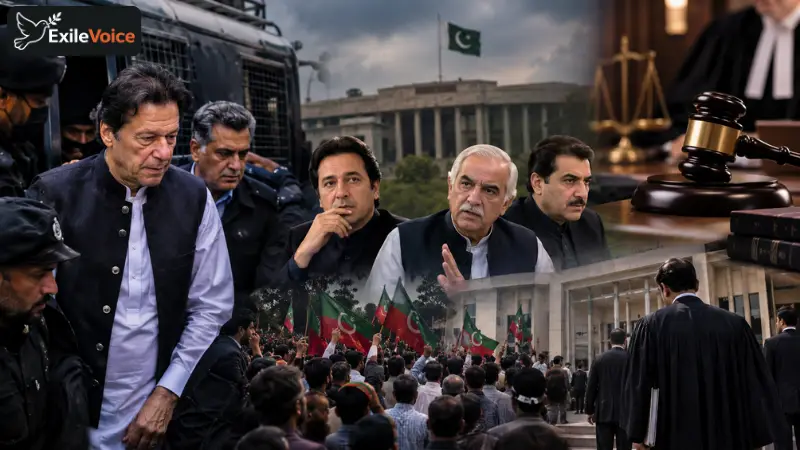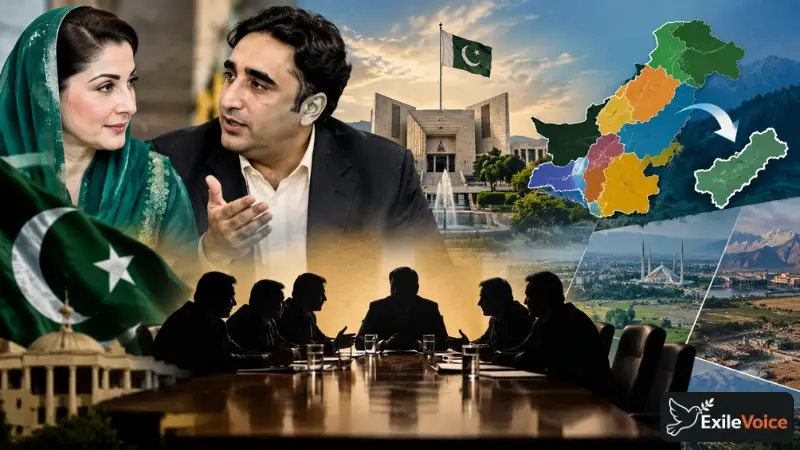
Recent political discourse in Pakistan has been dominated by intense speculation regarding high-stakes political maneuvers, including rumored backchannel negotiations involving major political figures such as Maryam Nawaz and Bilawal Bhutto Zardari, alongside discussions concerning structural administrative changes like the creation of new provincial entities or administrative zones. These developments reflect a fluid political environment where ruling coalitions and opposition groups constantly recalibrate their strategies in response to shifting power dynamics, economic pressures, and governance challenges.
The debate surrounding new administrative units, such as discussions involving Islamabad or other regions, highlights long-standing structural inefficiencies within Pakistan's current provincial framework. Proponents of administrative decentralization argue that smaller administrative units can significantly improve governance, optimize resource distribution, and ensure more direct public service delivery to marginalized populations. However, such proposals frequently encounter fierce political resistance, with critics viewing them through the lens of partisan maneuvering or potential threats to established provincial autonomies. The timing and intent behind these administrative proposals often spark fierce debates about whether they serve genuine developmental needs or tactical political objectives.
Concurrently, reports of clandestine political talks underscore the fragile nature of political alliances within the country. As political parties navigate economic constraints and public dissatisfaction, closed-door negotiations often dictate legislative priorities and executive decisions. Analysts emphasize that true political stability can only be achieved through transparent policy-making, adherence to constitutional principles, and constructive dialogue between all stakeholders rather than opaque arrangements. Moving forward, the interplay between structural administrative reforms and broader political realignments will shape the trajectory of governance and public trust in Pakistan's democratic institutions.