

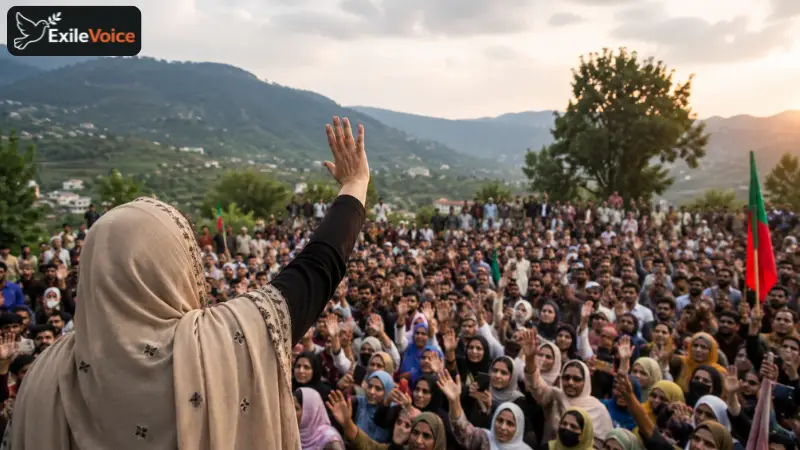
Political mobilization strategies in Pakistan have entered a new phase as high-profile figures actively engage with the grassroots public. Recent public appearances by Aleema Khan across various regions of Khyber Pakhtunkhwa, including Haripur, Hazara, Abbottabad, and Havelian, reflect a growing push for political and civil rights. Large gatherings and enthusiastic public receptions in these areas demonstrate a high level of readiness among citizens to participate in political movements.
The primary demands emerging from these public addresses focus on specific legal and humanitarian concerns. Core objectives include ensuring proper medical treatment for incarcerated political figures, ending solitary confinement, restoring legal visitations, and demanding independent judicial decisions. Proponents of these movements argue that public outreach serves as a foundational catalyst for building widespread momentum before any potential nationwide protest or long march.
However, observers note structural challenges within political parties regarding the translation of grassroots energy into decisive action. While public enthusiasm remains evident in regions where friendly provincial administrations exist, critics emphasize the need for a comprehensive, structured game plan. Without a unified timeline and coordinated strategy spanning multiple provinces, localized rallies risk failing to achieve desired political outcomes. Effective political mobilization requires strategic alignment between local groundwork and central leadership directives to secure meaningful systemic change.

