

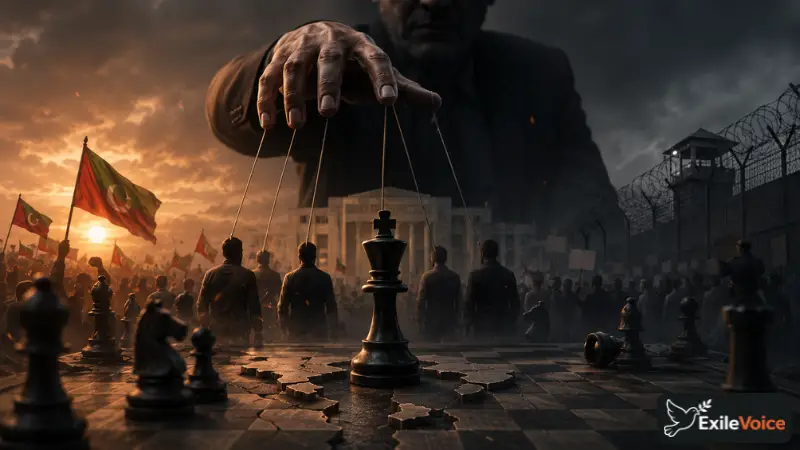
The political landscape surrounding the Pakistan Tehreek-e-Insaf (PTI) has become increasingly complex, defined by alleged internal divisions, external pressures, and a sophisticated war of narratives. Reports have surfaced suggesting a deliberate attempt to foster factionalism within the party, with the potential goal of sidelining key leadership figures. This strategy, as analysts observe, often involves leveraging legal cases and manufactured messaging to create friction among party ranks.
A notable example of this political maneuvering involves Akbar S. Babar, a figure central to previous legal challenges against PTI. Recent reports, broadcast on mainstream media, claimed an alleged message from an incarcerated Imran Khan to Babar, calling for a reconciliation of "like-minded" old guard members. The authenticity of this message is widely contested, with proponents of the party dismissing it as a fabrication designed to sow discord and weaken the party's unified front. Such tactics are seen by critics as part of a broader strategy by state actors to fragment the political opposition and undermine its grassroots base.
Furthermore, there is significant discourse regarding potential constitutional amendments, specifically the proposed 28th amendment. It has been alleged that pressure is being applied on PTI leadership to support this amendment in exchange for concessions, such as better prison conditions or access for the party's leader. This "carrot and stick" approach, linking political support to personal relief, poses a difficult dilemma for the party. There is a palpable concern that giving in to such demands could alienate the base, legitimize the current government's legislative agenda, and ultimately leave the party with no real political space, despite the compromises made.
Political commentators have pointed out that these maneuvers are part of an ongoing effort to keep the opposition busy with internal conflicts, shifting focus away from broader national issues. The tasking of various individuals, including journalists and political figures, to maintain this narrative indicates a coordinated effort to control the political discourse. The effectiveness of these tactics, however, depends on the party's ability to maintain unity. The repeated public appearances by various leaders and the mobilization of the public, despite the difficulties, suggest a persistent effort to keep the movement alive.
The crux of the matter remains whether the PTI can withstand these pressures and maintain its integrity. If the party fails to effectively articulate its stance on critical issues or succumbs to the pressure of supporting legislative changes that contradict its platform, the movement risks losing the public trust it has worked so hard to cultivate. The challenge, therefore, is to balance pragmatic political survival with the ideological consistency expected by its supporters, especially in the face of what is described as a concerted attempt to dismantle the party from within.

