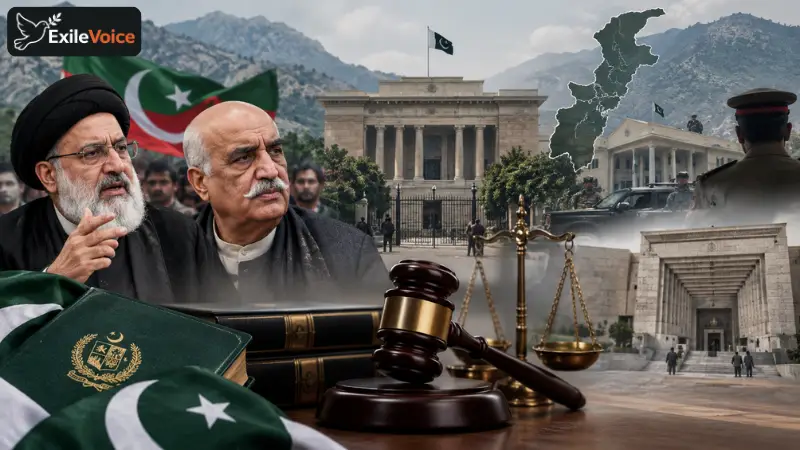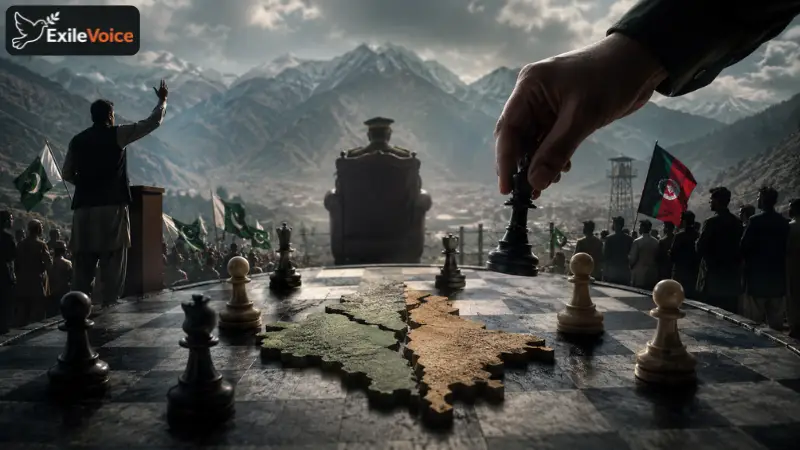
The political landscape in Kashmir is currently undergoing a period of significant volatility, marked by strategic maneuvers aimed at maintaining institutional control. Recent events suggest the creation of a "third force" by powerful actors to counterbalance traditional parties such as the Pakistan Muslim League-N (PML-N) and the Pakistan People’s Party (PPP).
This strategy appears designed to pressure established political entities, ensuring they remain aligned with broader institutional preferences. Observers have noted that the emergence of groups like the Istehkam-e-Pakistan Party (IPP) is being leveraged to keep these traditional power brokers in check. Furthermore, the political climate is exacerbated by incidents where local leaders face public backlash for their association with current governmental setups, as evidenced by reports of political figures being barred from attending local funerals.
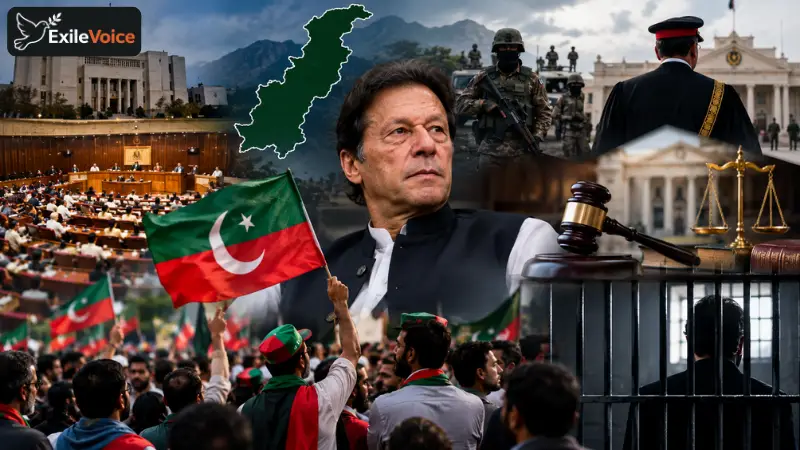
Regarding the upcoming elections, the decision by the Pakistan Tehreek-e-Insaf (PTI) to opt out of the 27th July general elections has drawn considerable attention. While some interpret this as a reaction to being sidelined, others argue that it highlights the party’s changing relationship with the political establishment. This move is seen as a tactical withdrawal, reflecting the intense pressure on the opposition to navigate a landscape where their political capital is increasingly scrutinized. As these dynamics unfold, the focus remains on how these tactical shifts will influence the long-term political stability of the region and the efficacy of the established political order.