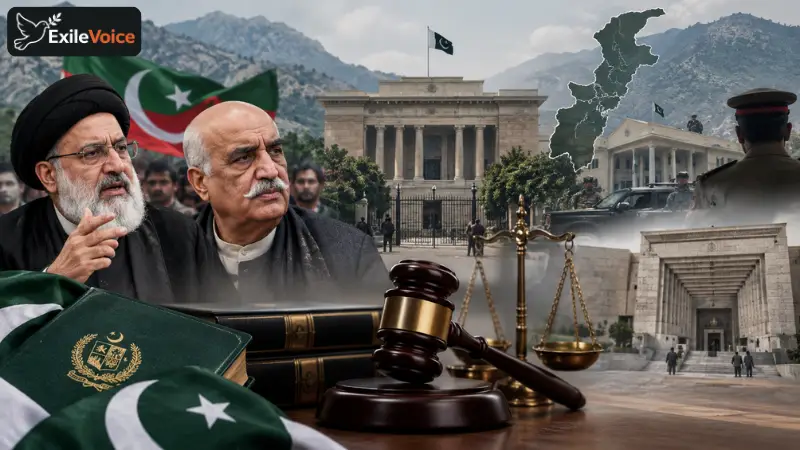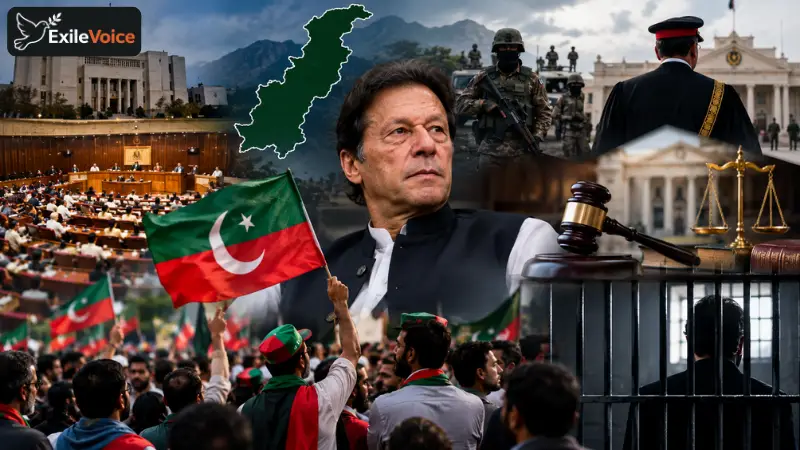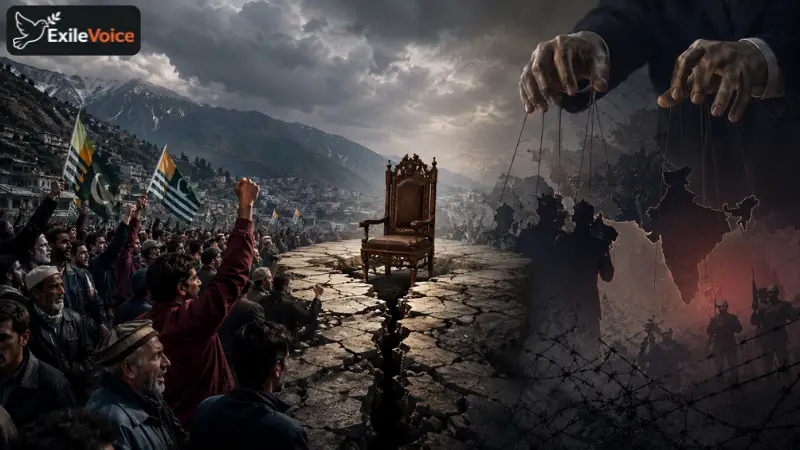
The political situation in Azad Kashmir has escalated into a complex narrative involving internal governance failures, public protest, and accusations of foreign interference. Recently, the discourse has shifted significantly, with state-aligned voices attributing the lack of essential supplies in the region to organized disruption by transport operators, allegedly acting under the influence of foreign actors, including India and Israel.
At the heart of the crisis lies a deep-seated grievance regarding political representation and the management of "reserved" seats. Critics argue that the current system, which allows for these seats to be managed by the establishment, is designed to exert control over local politics rather than provide genuine representation to the Kashmiri community. The lack of transparent electoral processes and the marginalization of local voices have fueled widespread discontent.
The attempt to frame this humanitarian and political crisis as a product of foreign subversion, specifically targeting India, is viewed by many analysts as a distraction from the underlying governance issues. While tensions with external regional rivals are historically high, the focus on these external threats often overshadows the urgent need for internal political reform. The failure to negotiate a more inclusive electoral framework, or to address the legitimate economic grievances of the local population, has transformed a regional political dispute into an escalating crisis. As the narrative continues to evolve, the challenge for the administration remains in addressing the root causes of public dissatisfaction rather than relying on external narratives to explain internal failures.