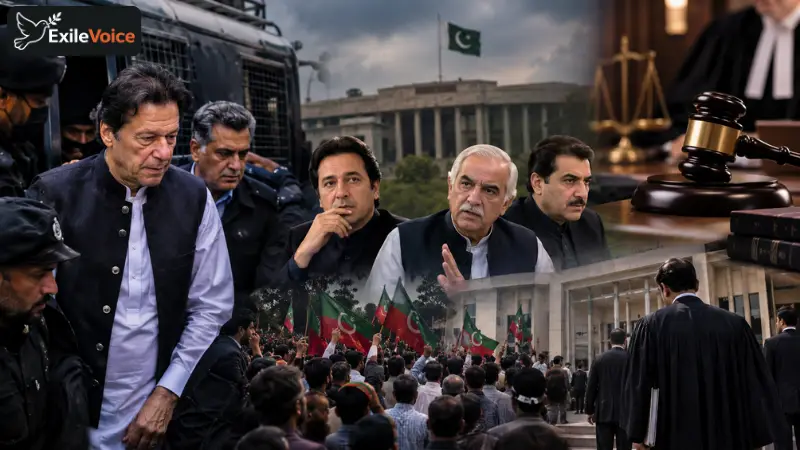
Pakistan Tehreek-e-Insaf (PTI) is currently navigating a period of significant internal tension, characterized by public discord among its senior leadership and prominent figures. Recent developments suggest that these internal fractures are not merely organic political disagreements but are being exacerbated by external influences aimed at weakening the party’s cohesion.
The recent public criticisms leveled by figures such as Shandana Gulzar and others against colleagues like Salman Akram Raja demonstrate a level of discord that is highly unusual for a party known for its centralized support base. These verbal attacks, covering allegations of financial mismanagement and the misuse of party funds, have provided a convenient opening for mainstream media to propagate narratives of a crumbling opposition. Analysts observe that this "divide and conquer" strategy is a well-documented tool used by state agencies to fragment political movements.
The methodology is complex: by cultivating different factions within a party and encouraging mutual distrust, external actors can neutralize political opposition without direct intervention. This tactic relies on the premise that if party members are occupied with defending themselves against internal accusations, they have less capacity to challenge the status quo. The recent escalation in inflammatory statements from various PTI members suggests a orchestrated campaign to foster this perception of division.
Despite these challenges, the leadership has faced calls to address these allegations transparently rather than engaging in public infighting. The demand for an inquiry into the alleged misuse of funds is a critical test for the party's institutional integrity. As the political environment remains volatile, the ability of the PTI to reconcile these internal differences will be vital. The ongoing situation serves as a profound case study in how political parties are pressured in polarized environments and the importance of maintaining unity against external efforts to disrupt organizational stability.