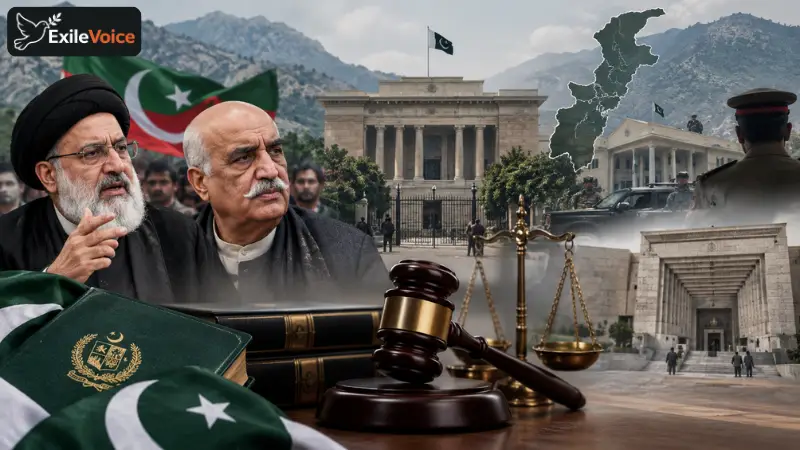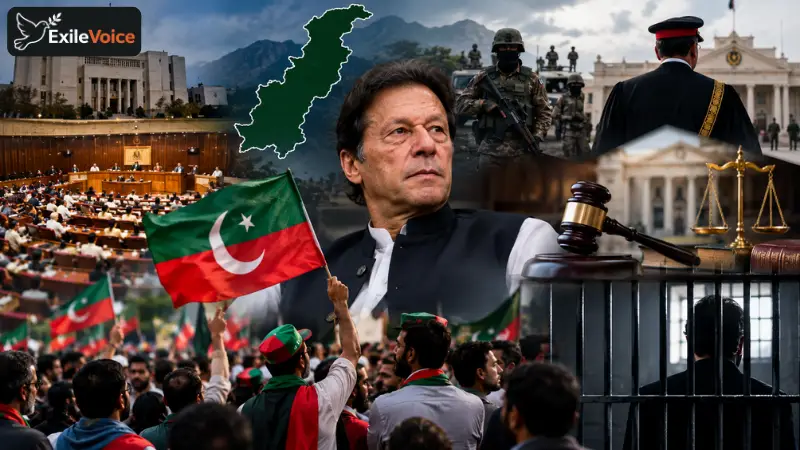
The regions of Azad Jammu and Kashmir (AJK) and Gilgit-Baltistan (GB) have recently become the focal points of intense political turmoil and public unrest, raising critical questions about the current state of governance and the role of the military-run establishment in these areas. The events unfolding over the past few days have highlighted a deepening disconnect between the authorities and the local populations, leading to widespread dissatisfaction and protest.
At the heart of the crisis is the feeling that the electoral process has been fundamentally compromised. Residents of these regions have taken to the streets, not just to voice their grievances over day-to-day issues like inflation and utility costs, but to protest against what they perceive as a systematic theft of their democratic rights. The term "Form 45," a reference to the polling station result form in Pakistan's elections, has become synonymous with allegations of electoral rigging and manipulation. Critics argue that the results being presented do not reflect the true will of the people, with incidents of ballot boxes being tampered with and questionable tallies being reported.
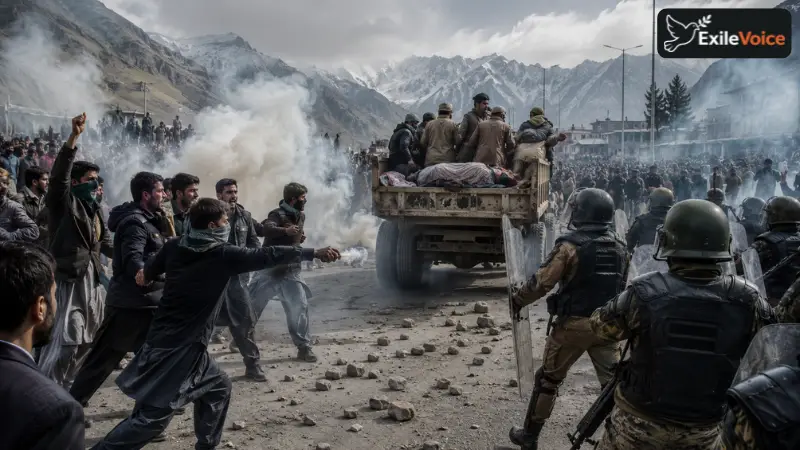
The situation has been exacerbated by the response of the authorities. Reports from the ground indicate a heavy-handed approach by security forces, leading to clashes that have resulted in loss of life and injuries. The chilling imagery of protesters transporting the deceased in construction dumpers has shocked the public, serving as a stark reminder of the gravity of the situation. This level of violence and suppression is particularly concerning in regions like AJK, which have traditionally been viewed as more peaceful compared to other parts of Pakistan.
Furthermore, the mainstream media's handling of these events has faced severe scrutiny. Many claim that a "media blackout" is in effect, with reports suggesting that instructions were issued to suppress footage of civilian casualties and to focus only on the loss of police personnel. This perceived manipulation of information has only served to increase public frustration and distrust in the established order. Political figures and observers have criticized this strategy, arguing that it prevents a transparent discussion about the genuine issues affecting the region, such as the demand for economic relief and the end of special privileges for government officials.
The unrest is not isolated to AJK. In Gilgit-Baltistan, similar concerns regarding the integrity of the electoral process have triggered protests, with people expressing a lack of faith in the system. The underlying issue, according to many, is the continuous erosion of trust in the democratic process. When citizens feel that their vote holds no power because the outcome has already been decided by external forces, the motivation to participate in democratic exercises wanes, leading to a dangerous sense of apathy and alienation.
The calls for a review of current policies are growing louder. Even some within the political establishment have acknowledged that the government must address the concerns of the people through dialogue rather than force. The prevailing sentiment is that the state's actions are pushing these regions toward a breaking point, potentially destabilizing areas that have historically been crucial to Pakistan's narrative. As the situation continues to evolve, the demand for accountability and a genuine democratic process remains a central theme in the discourse, highlighting the urgent need for a shift in approach to address the deepening crisis of legitimacy.