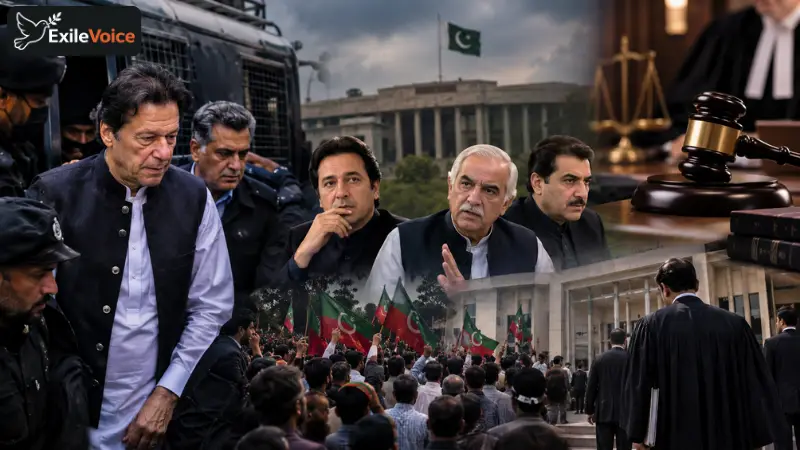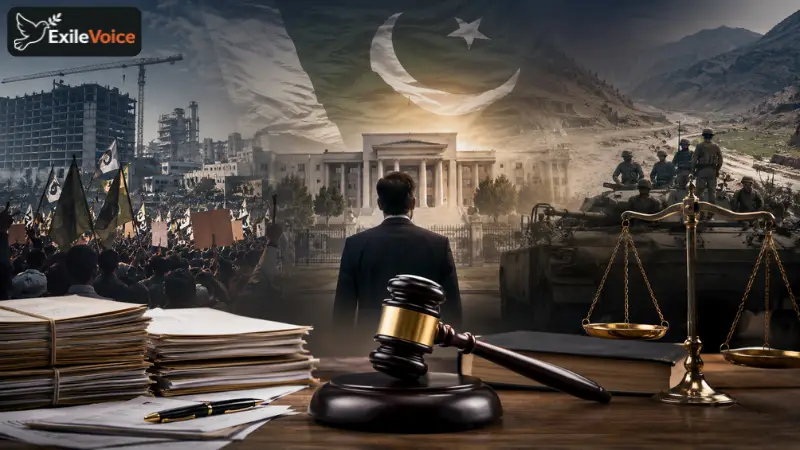
The political landscape of Pakistan continues to experience deep institutional friction, highlighted by administrative controversies and legal disputes involving public figures. Recent legal filings and administrative reports have shed light on the pervasive involvement of powerful state institutions in civil and private disputes. Observers note that administrative overlap has complicated governance across various sectors, ranging from regional development initiatives to local legal matters.
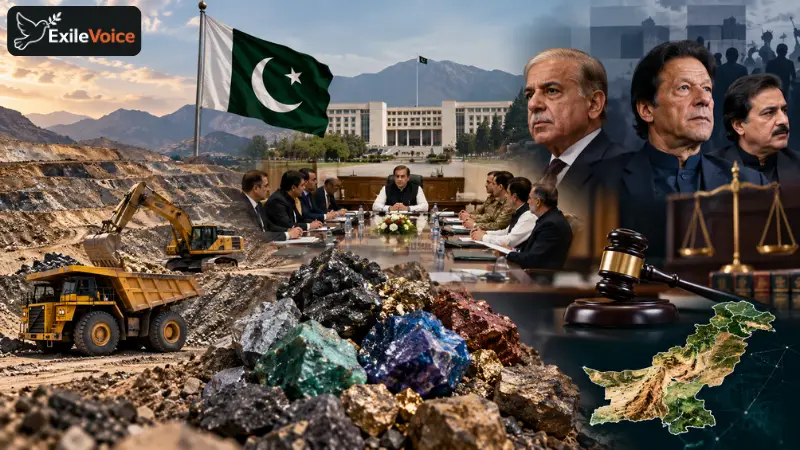
Critics point out that despite ambitious projections regarding foreign direct investment and economic recovery through specialized investment frameworks, tangible economic benefits have largely failed to materialize. Key initiatives aimed at boosting international trade, energy projects, and mineral extraction have faced significant operational hurdles and security challenges, particularly in regions like Balochistan. Additionally, bureaucratic continuity from previous administrations has raised questions about structural reforms, with analysts arguing that systemic inefficiencies and data discrepancies continue to hinder sustainable national development.