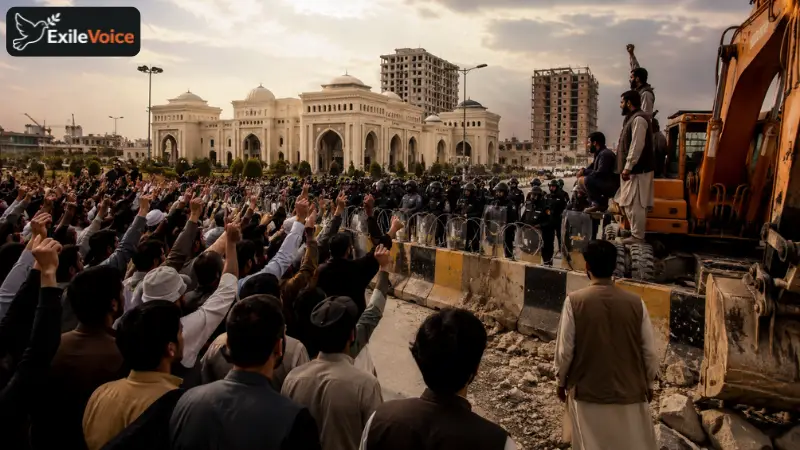
Peshawar is currently witnessing widespread civil unrest as citizens and residents of various housing societies have taken to the streets to protest against what they perceive as institutionalized discrimination. The core of the grievance lies in the alleged preferential treatment given to the Defence Housing Authority (DHA) by the provincial government, particularly through the Peshawar Development Authority (PDA).
Protesters argue that funds meant for broader public infrastructure, housing development, and municipal services across the city are being diverted to favor DHA. This perceived inequity has led to blockades and persistent demonstrations, with citizens calling for an end to the administrative favoritism.
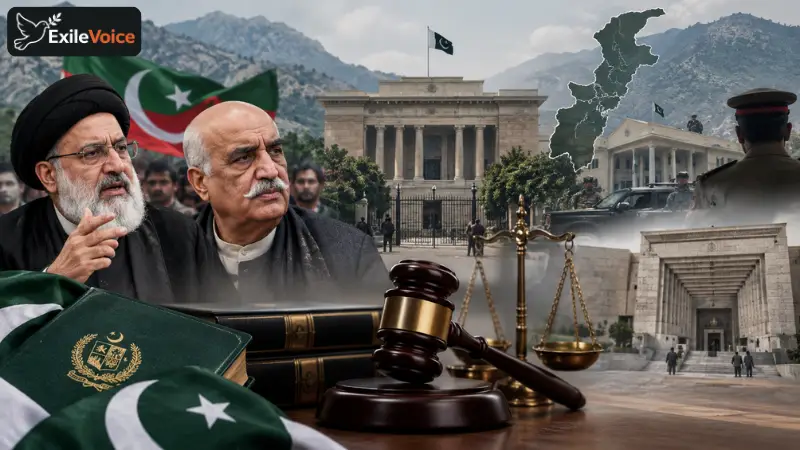
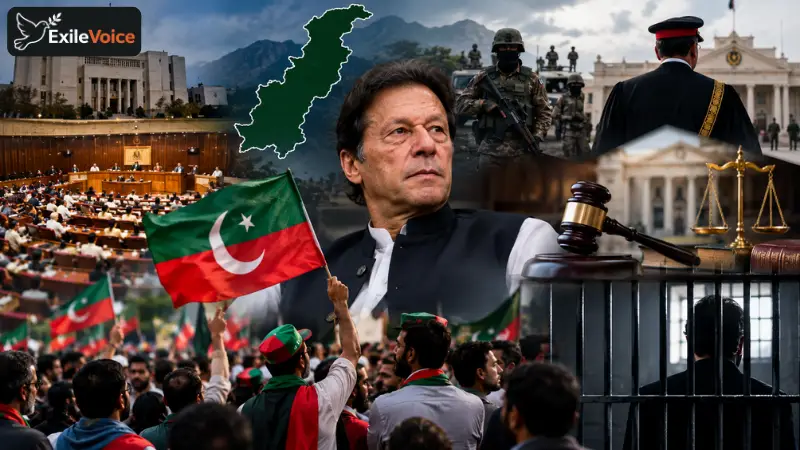
A deeper analysis of the provincial governance structure reveals why these complaints are gaining traction. Key administrative roles, from the Principal Secretary to the Chief Minister to the Director General of the PDA and the Finance Secretary, are occupied by retired military officers. Critics, including analysts, point out that this "bureaucratic capture" by former military personnel, often appointed during the previous caretaker administration and retained by the current government, creates a system where the interests of military-affiliated entities are consistently prioritized.
The ongoing protests represent a significant challenge for the provincial government. To restore public confidence, there are calls for a major administrative overhaul, replacing these military-appointed officials with career civil servants who may be more responsive to the general public's needs rather than specific institutional interests. Without such changes, the perception of an "unequal" governance model is likely to persist, further fueling local dissatisfaction and disrupting the city’s administrative stability.