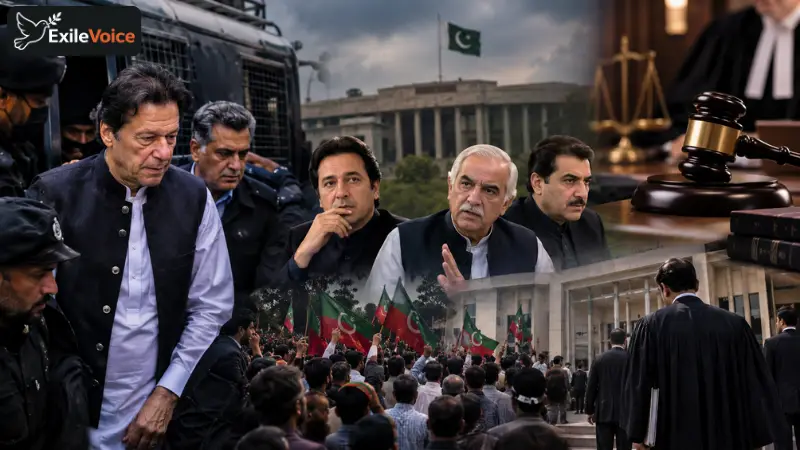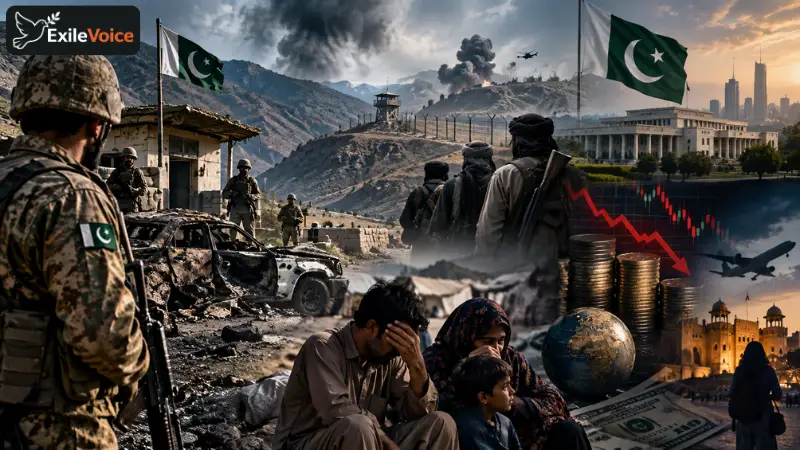
The security landscape in Pakistan has reached a critical juncture, marked by an escalating surge in terrorist violence, deteriorating regional stability, and severe economic repercussions. The recent suicide attack targeting a joint security post in Dera Ismail Khan, which claimed at least 15 lives and left over 35 injured, underscores the persistence of militant networks like the Tehreek-e-Taliban Pakistan (TTP). This resurgence highlights deep-seated structural challenges within the state's long-term counterterrorism strategy. Over the past two decades, Pakistani authorities have initiated dozens of military operations across Khyber Pakhtunkhwa and former FATA regions. However, despite numerous major and minor campaigns, local political figures and public observers are increasingly questioning the efficacy of existing policies, arguing that military interventions have failed to yield lasting peace or institutional stability.
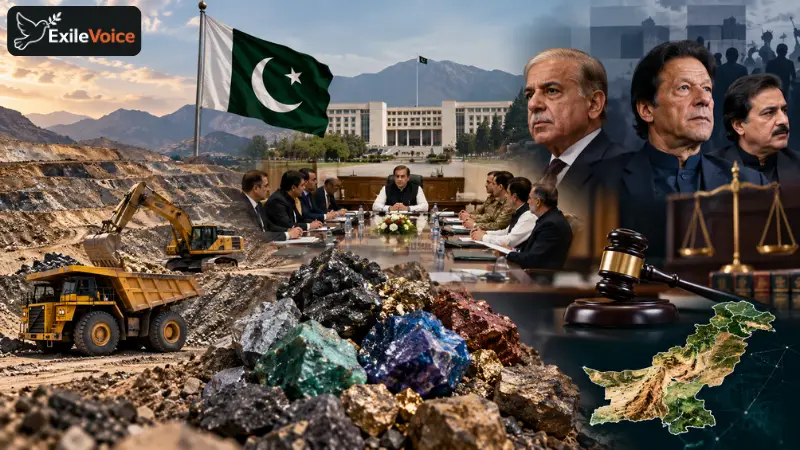
Public perception around security governance has grown increasingly critical, with public slogans and political movements directly linking military presence to localized instability. Critics contend that military control in mineral-rich border territories creates economic disincentives for demilitarization, allowing state-backed entities to maintain control over strategic regional assets. Concurrently, border friction between Pakistan and Afghan Taliban forces along the Kurram-Paktia region continues to escalate, featuring cross-border shelling and aerial strikes. Rather than stabilizing border corridors, these skirmishes further compound Pakistan's domestic security vulnerabilities, exposing border populations to heightened displacement risks and civil disruption.
The economic fallout of persistent conflict is equally pronounced. International experience shows that capital flow and foreign direct investment are inextricably linked to national security and institutional predictability. Global financial hubs demonstrate that even transient security threats lead to rapid capital flight and market contraction. For Pakistan, ranking at the top of international terrorism impact indices severely stifles foreign investment, cripples tourism revenue, and deprives local industries of critical capital. Furthermore, the defense budget continues to absorb substantial state resources, including expanding civilian-allocated military pensions and agricultural subsidies, shifting financial burdens onto taxpayers without yielding corresponding improvements in public safety or regional economic resilience. Addressable reform requires a fundamental pivot toward civilian governance, transparent institutional oversight, and regional diplomatic engagement.