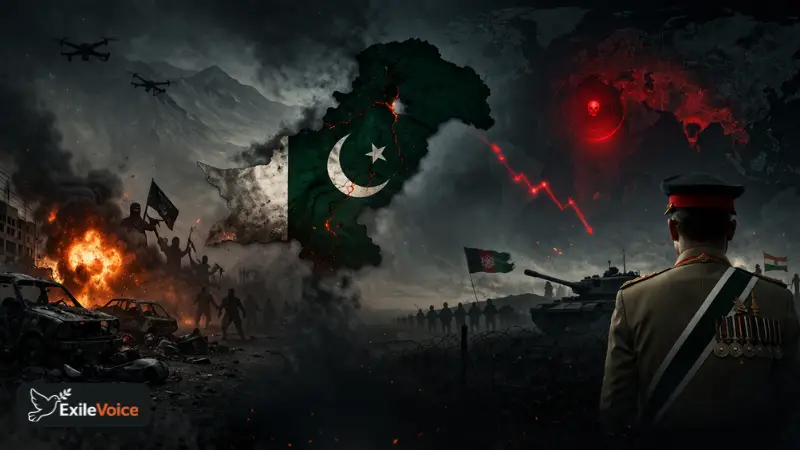
The recent release of the Global Terrorism Index (GTI) 2026 has sent shockwaves through the international community, placing Pakistan at the top of a list no nation wishes to lead. For the first time in recent history, Pakistan has surpassed regions like Burkina Faso and Nigeria to become the country most impacted by terrorism globally. This shift marks a significant departure from previous years where, despite being in the "Top 10," the nation had shown various levels of containment.
Statistical data from 2025 reveals a grim picture: a 6% increase in terrorism-related fatalities compared to the previous year. More alarming is the frequency of incidents, with over 450 recorded attacks resulting in significant loss of life. Analysts point out that these figures represent the highest levels of instability since 2013, suggesting that previous gains in counter-terrorism may be eroding under current operational strategies.
The professional military leadership, often referred to in domestic discourse as the architects of "Form 47" governance, faces intense scrutiny regarding the efficacy of their "hardline" approach. While official briefings from the Inter-Services Public Relations (ISPR) claim thousands of successful kinetic operations and intelligence-based raids, the ground reality reflected in the GTI score of 8.574 tells a different story. There is a growing disconnect between the volume of military operations and the actual safety afforded to the citizenry.
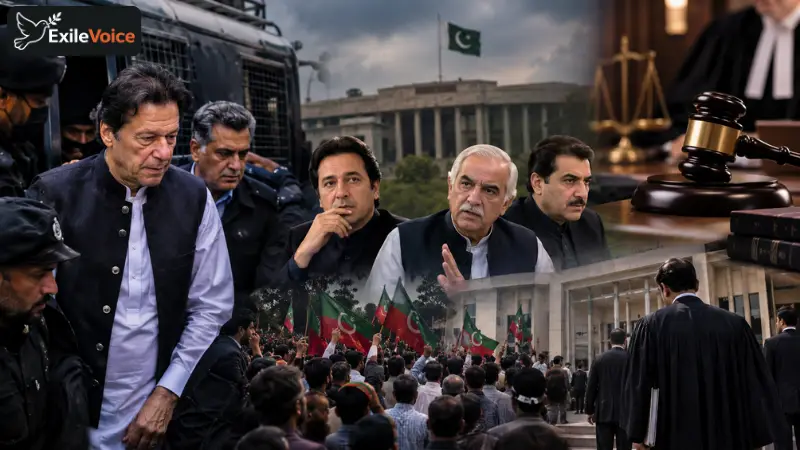
Furthermore, the geopolitical dimensions of this crisis are becoming increasingly complex. Accusations directed toward neighboring Afghanistan regarding "rehab centers" versus "drone factories" have strained regional ties. Concurrently, the domestic political atmosphere is charged with allegations that the security apparatus is more focused on internal political engineering, targeting opposition figures and their families, than on the sophisticated border management required to curb cross-border militancy.
The human cost of this security failure is compounded by a perceived lack of accountability within the high command. Unlike international standards where leadership often resigns following systemic failures, the Pakistani establishment has remained static. As the country grapples with this "Number 1" ranking in global terrorism, the need for a transparent, multi-faceted counter-terrorism policy, one that moves beyond kinetic force to address the root causes of radicalization and political disenfranchisement, has never been more urgent.