In a monumental shift for South Asian diplomacy, Pakistan has emerged as the primary architect of a two-week ceasefire between the United States and the Islamic Republic of Iran. While traditional power brokers in the Middle East often look toward Qatar or Oman, the recent "Pakistan-led" initiative represents a sophisticated pivot for Islamabad. By leveraging its unique position, sharing a 900-kilometer border with Iran while maintaining a critical, albeit turbulent, security partnership with Washington, Pakistan has successfully navigated a "double-sided" de-escalation that many analysts thought impossible.
The breakthrough came at a moment of maximum tension. Following a series of retaliatory strikes and aggressive rhetoric involving Iranian infrastructure and American interests, the global economy faced a potential catastrophe with the threatened closure of the Strait of Hormuz. Pakistan’s diplomatic mission, characterized by "shuttle diplomacy" between Tehran and Washington, focused on a pragmatic trade-off: the restoration of maritime passage in exchange for a cessation of American strikes on Iranian soil.
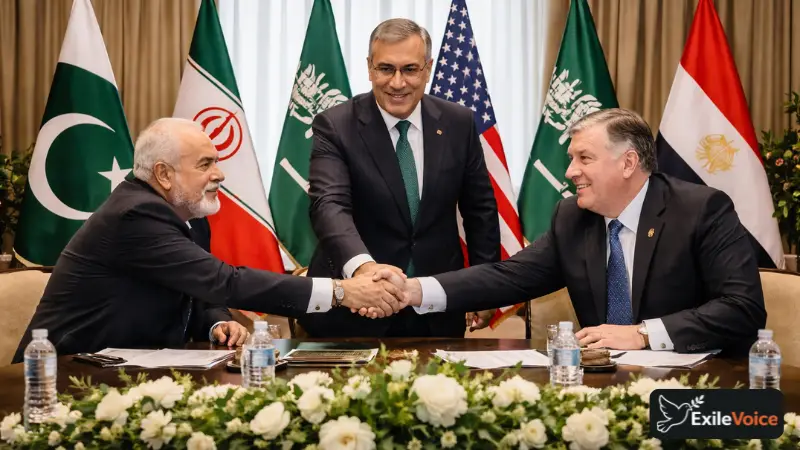
This mediation is not merely a win for regional peace; it is a vital rebranding for Pakistan. For years, Islamabad has been viewed through the narrow lens of the Afghan conflict or its rivalry with India. By successfully hosting the foreign ministers of Saudi Arabia, Turkey, and Egypt to build a consensus, Pakistan has demonstrated a "middle-power" capability. The 10-point proposal presented to President Trump, which he ultimately termed a "workable basis" for negotiation, underscores a level of Pakistani diplomatic technicality that has often been overlooked.
However, the road ahead remains treacherous. The "victory" declared by both Washington and Tehran is fragile. Iran continues to assert its military dominance, claiming a massive arsenal of drones and missiles, while the U.S. maintains its "big stick" policy, ready to resume strikes if the ceasefire is breached. Pakistan’s role now shifts from a mediator to a guarantor. The success of this two-week window will depend on Islamabad’s ability to manage the "spoilers", non-state actors and regional rivals who benefit from continued friction. For now, Pakistan has "saved the day," but the long-term stability of the region will require this temporary bridge to be converted into a permanent diplomatic highway.