Pakistan is undertaking a significant strategic pivot in its regional trade policy, effectively attempting to bypass the persistent instabilities of the Afghan route to access the markets of Central Asia. For decades, the vision of connecting Pakistan’s southern ports, particularly Karachi, with the landlocked countries of Central Asia, Kazakhstan, Kyrgyzstan, Tajikistan, Turkmenistan, and Uzbekistan, was contingent upon stable relations with Afghanistan.
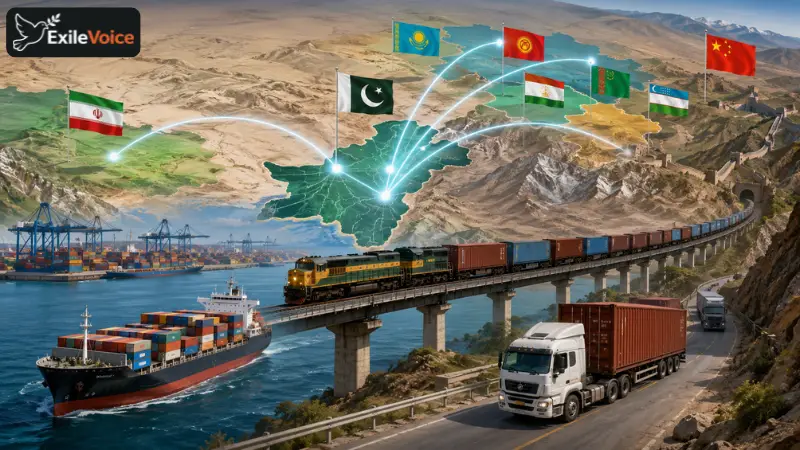
However, the lack of political and security stability in Afghanistan has repeatedly hindered these ambitions. Faced with ongoing challenges involving regional proxy actors and the failure to secure sustainable trade corridors through Afghan territory, Pakistan has implemented a "bypass" strategy. By leveraging its strong relationships with China and Iran, Islamabad is now establishing alternative trade routes that circumvent Afghanistan entirely.
This shift is not merely infrastructural; it is a calculated geopolitical move. Pakistan has successfully convinced major stakeholders, including Russia, of the viability of these alternative routes. Recent logistical milestones, such as a truck from Kyrgyzstan reaching the Karachi port via Chinese transit routes, serve as evidence that this connectivity is no longer just a theoretical ambition.
This strategic reorientation allows Pakistan to engage directly with the resource-rich Central Asian states, fostering tourism, commerce, and cultural exchange without being tethered to the volatility of its immediate western neighbor. While the human cost of current border management and the complexities of regional refugee dynamics remain significant, the state’s focus is clearly shifting toward long-term economic integration. This move represents a "check-mate" of sorts in regional connectivity politics, ensuring that even if Afghanistan remains unstable, Pakistan’s economic integration with the broader Asian continent continues to progress. The reliance on China and Iran as conduits provides a level of security and predictability that the Afghan route has failed to offer for years.