

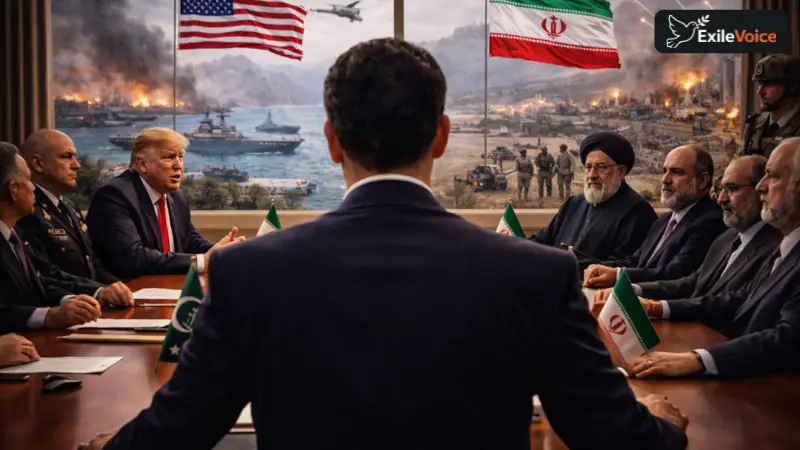
The geopolitical landscape of March 2026 has been dominated by a sudden de-escalation in the rhetoric between the United States and Iran, with Pakistan emerging as a central figure in the narrative of peace. However, a deeper analysis of the events suggests that the "peace proposal" facilitated by Islamabad may have been less about regional stability and more about providing a strategic "exit ramp" for the Trump administration.
The sequence of events began with President Donald Trump issuing a 48-hour ultimatum to Iran, threatening to destroy its primary power plants if the Strait of Hormuz remained closed. Within 24 hours, the White House reportedly realized the catastrophic risks of such an escalation—namely, the likelihood of a proportionate Iranian response against desalination and power plants in Gulf Cooperation Council (GCC) countries. Such a counter-strike would not only have destabilized the global energy market but could have functionally ended the credibility of the Trump presidency.
Enter the Pakistani military establishment and the Sharif administration. Through the mediation of figures like Steve Witkoff, who has long-standing ties to both Trump and the Pakistani leadership, a 15-point "peace proposal" was floated. Critics argue this proposal was designed to be rejected by Tehran, as it included maximalist demands such as the dismantling of Iran’s missile program and the abandonment of its regional alliances (the "Axis of Resistance"). By offering a proposal that was destined for failure, the U.S. was able to pause its 48-hour threat without appearing to back down, while Pakistan gained diplomatic leverage and potential financial "paybacks" from Washington.
Iran’s response was a counter-proposal consisting of five points, focusing on an immediate end to the "war of aggression," legal guarantees against future invasions, and reparations for recent military strikes. These demands, while grounded in international law from Tehran’s perspective, are largely non-starters for a Washington administration that historically refuses to pay war reparations or acknowledge the illegality of its preemptive strikes.
The current situation remains a "drama" of diplomacy. While the media focuses on the 15 points, the reality on the ground is one of continued military build-up. With 7,000 U.S. Marines arriving in the Gulf and Israel increasing its strike tempo, the "peace process" appears to be a softening-up operation, weakening Iranian defenses and public resolve before a more significant military engagement. For Pakistan, the role of "mediator" has provided a temporary shield against international criticism of its domestic political situation, but at the cost of being viewed by its neighbor as a tool of Western interests.

