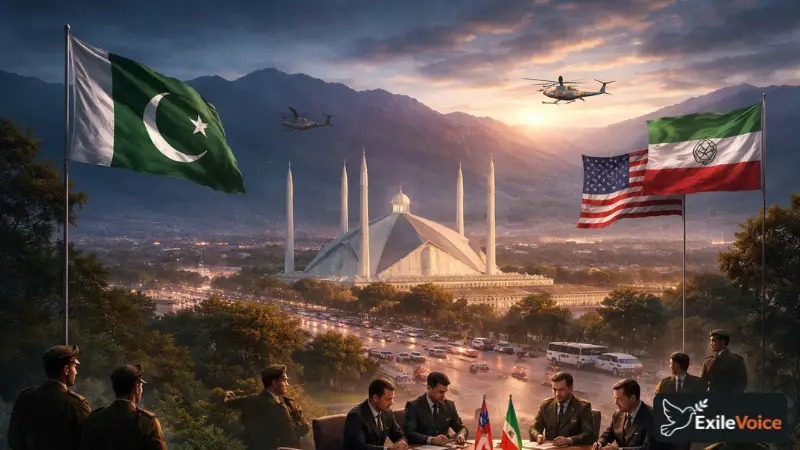
Pakistan is currently witnessing a significant shift in its international standing, emerging as the "center stage" for global diplomacy. For the first time in years, the focus of the international community, particularly the United States and Iran, has converged on Islamabad. This strategic pivot is not merely a matter of geographical luck but a consequence of a complex web of regional conflicts and the brave, albeit costly, resistance of Iran against a 40-day military onslaught.
The upcoming visit of U.S. Vice President JD Vance to Islamabad, accompanied by an advance security team, underscores the seriousness of this diplomatic mission. Pakistan is not acting as a traditional mediator, a role often reserved for global giants like China or Russia, but as a vital "strategic facilitator" and "messenger." The Pakistani military establishment, led by General Asim Munir, has leveraged this moment to re-establish a special relationship with the Trump administration, reminiscent of the post-9/11 era.
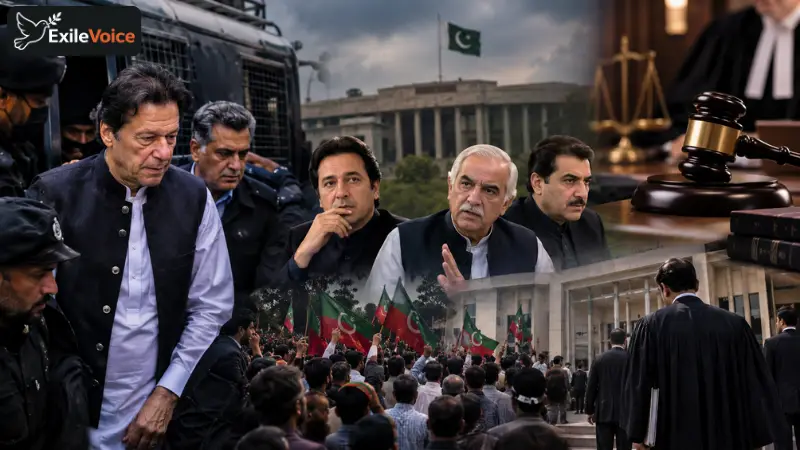
However, this newfound importance comes with internal complications. While Prime Minister Shehbaz Sharif receives the public limelight and international calls from leaders like British PM Keir Starmer and German Chancellor Olaf Scholz, the real power remains with the military. This creates a potential "fault line" within the Pakistani power structure. Furthermore, while this geopolitical relevance strengthens the current regime’s hand globally, it may pose challenges for domestic democratic movements and the political future of figures like Imran Khan, as the international community prioritizes stability and the peace process over internal political reforms.
As the US-Iran talks progress, Pakistan’s role as a bridge is being tested. The world is watching to see if Islamabad can successfully manage the friction between the outgoing Israeli-centric regional order and a new vision that includes a more integrated Iran.