

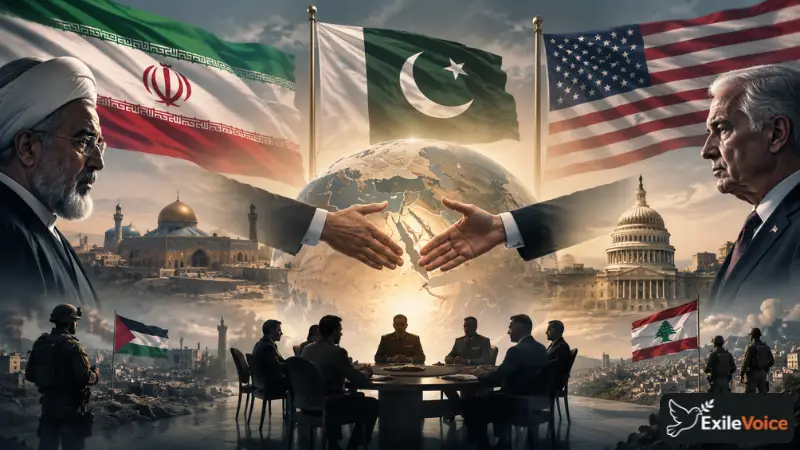
Pakistan is increasingly positioning itself as a central diplomatic player in the escalating tensions between Iran and the United States. Recent high-level visits, including that of Pakistan’s Interior Minister Mohsin Naqvi to Tehran, underscore a strategic effort to facilitate communication channels between the two adversarial nations. While critics have reduced Pakistan’s role to that of a "courier service," the intensity of recent diplomatic traffic, including an upcoming visit by the Lebanese Army Chief to his Pakistani counterpart, suggests a more complex involvement.
The shift is significant because it suggests Pakistan is directly engaging in issues surrounding the Israel-Lebanon conflict. As Iran has historically used regional partners as bargaining chips, the direct communication between Pakistani military leadership and Lebanese counterparts indicates that Islamabad is no longer acting merely on the periphery. This deepening involvement carries substantial risks and responsibilities, particularly given Pakistan’s long-standing diplomatic positions and the potential for direct collision courses with Israeli interests. As regional dynamics intensify, Pakistan's ability to balance its strategic partnerships while navigating international pressures will be a critical test for its foreign policy framework.

