

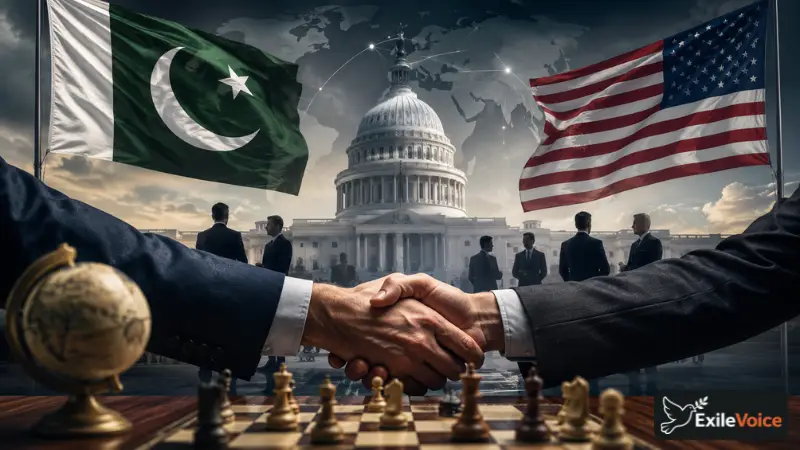
In the shifting landscape of South Asian diplomacy, Pakistan is aggressively recalibrating its strategic approach to regain relevance within Washington’s policy corridors. Faced with years of regional isolation and economic fragility, Islamabad appears to have adopted a multi-pronged strategy designed to reshape its image and security standing among American policymakers. Central to this approach is a sophisticated, professionally managed influence campaign that targets legislative and executive branches to challenge long-standing narratives that have previously favored India.
Recent developments indicate that the Pakistani establishment has engaged high-level lobbying expertise to navigate the complex Washington environment. By leveraging strategic advisory firms, Islamabad seeks to monitor developments, foster relationships with key congressional figures, and ensure that Pakistan's security concerns, particularly regarding regional stability, are adequately represented. This professionalization of lobbying marks a departure from traditional, often reactive, diplomatic efforts. It reflects a clear recognition that in a competitive geopolitical theater, passive diplomacy is insufficient.
Moreover, this shift coincides with perceived changes in how high-ranking U.S. officials view the regional balance of power. While the enduring U.S.-India strategic partnership remains robust, there is growing evidence that American officials are increasingly wary of zero-sum regional dynamics. By emphasizing a "parity" of security concerns, Pakistan aims to position itself as a necessary stakeholder in South Asian stability rather than a peripheral actor. This strategic maneuvering is not merely about swaying individual opinions but about fundamentally altering the policy framework through which Washington perceives the India-Pakistan relationship. Success, however, will depend on Islamabad's ability to maintain this momentum while simultaneously addressing the internal economic and structural issues that historically undermined its credibility on the global stage.

