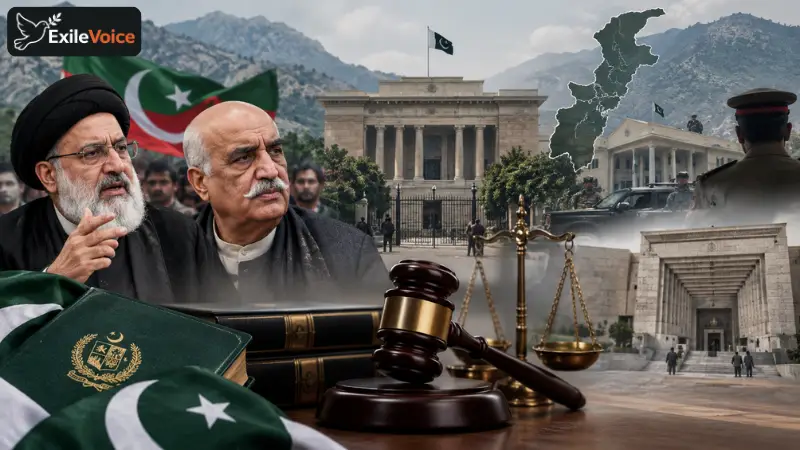
In recent geopolitical developments, Pakistan's foreign policy has undergone a significant, albeit quiet, transformation. A critical analysis of recent United Nations Human Rights Council (UNHRC) proceedings reveals that the Pakistani government has played a pivotal role in softening international resolutions directed at Israel. This shift is highlighted by a formal acknowledgement from the American Jewish Congress, which praised Pakistan for its efforts in removing "extreme provisions" from resolutions sponsored by the Organization of Islamic Cooperation (OIC).
Specifically, the Pakistani diplomatic mission was instrumental in replacing clauses that would have established a UN mechanism to prosecute Israeli officials with non-binding suggestions to the General Assembly. This move signifies a departure from Pakistan's historical stance of hardline opposition to Israeli policies, suggesting a strategic realignment with what analysts describe as "International Zionism."
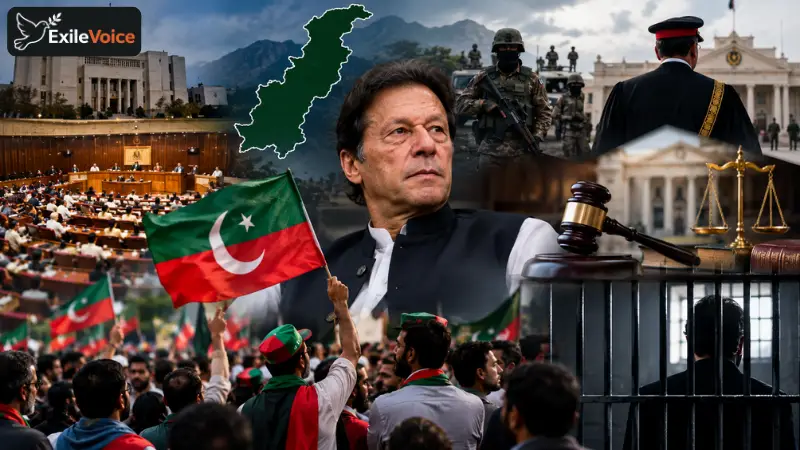
This reorientation is not merely a change in rhetoric but a fundamental shift in regional dynamics. By tempering the language of the UNHRC resolutions and including condemnations of attacks against Israeli civilians, Pakistan has signaled its willingness to act as a stabilizing bridge in the Middle East. However, this shift has not been without controversy domestically. The current ruling elite, including the Sharif and Zardari administrations, are perceived by some as having tethered the future of Pakistani democracy and human rights to these new international alignments.
The implications for Pakistan's internal politics are profound. The stability of the current regime appears increasingly linked to its ability to maintain these international relationships. Yet, there remains a significant domestic backlash and resistance. Observers suggest that while this alignment provides the government with a certain level of international cover, the next few months may see a period of "disengagement" or adjustment as the state seeks to find a sustainable balance between global expectations and domestic political pressures.