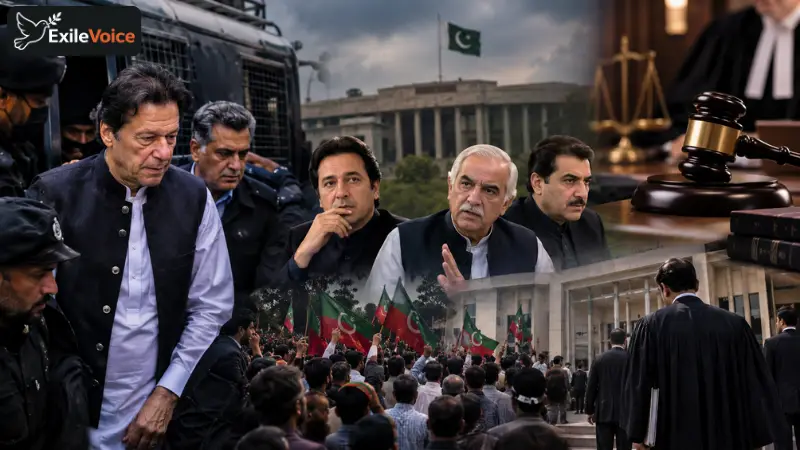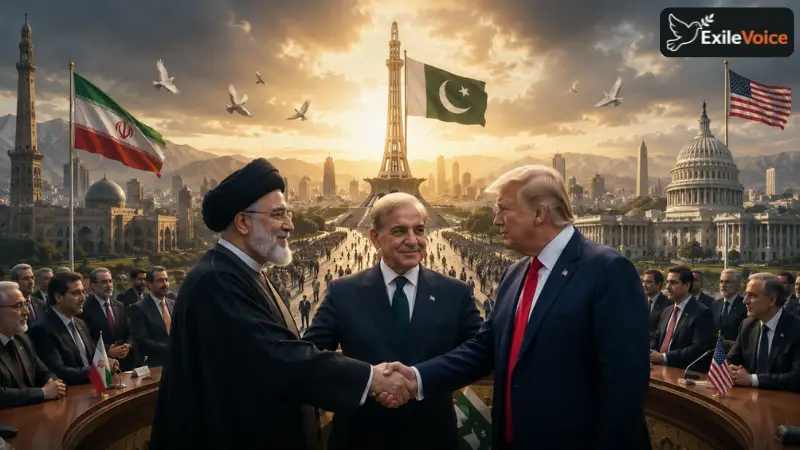
In a stunning shift that has caught international observers by surprise, Pakistan has emerged as a central mediator in a major diplomatic breakthrough involving Iran, securing a significant win that has altered its standing on the global stage. Often referred to by critics as the "Cabo Verde of diplomacy", a reference to the underdog surprise in world sports, Pakistan’s role in this deal has been lauded by both Western and regional powers.
The success of this intervention is rooted in a highly skillful balancing act. Pakistan has managed to maintain the trust of key stakeholders, including the Iranian leadership, with whom it shares a complex but functional history, and the current United States administration. Under the leadership of figures like General Asim Munir and Prime Minister Shehbaz Sharif, Islamabad has demonstrated a level of diplomatic nimbleness that was largely unexpected given the country's recent internal challenges.
A primary driver of this breakthrough is the transformed relationship between the Pakistani leadership and U.S. President Donald Trump. Unlike his first term, where rhetoric toward Islamabad was often critical and distancing, the current administration has embraced a collaborative approach. Analysts suggest this is a result of strategic engagement by the Pakistani establishment, which has focused on maximizing optics for the President, providing tangible cooperation in counterterrorism, and navigating the personal dynamics of the current Washington court.
However, this diplomatic victory is not without its caveats. While Islamabad has effectively dismantled previous Indian efforts to paint it as an international pariah, the sustainability of this success remains a subject of intense debate. The reliance on short-term tactical wins, mediated through personal rapport with high-level U.S. officials, carries inherent risks. If the geopolitical winds shift or the specific interests of the Trump administration diverge from their current path, Pakistan’s newfound diplomatic capital could prove fragile.
Furthermore, there remains a critical gap between high-level diplomatic achievements and the socioeconomic reality on the ground. History, as noted by experts, warns that Pakistan has often secured significant international support only for those benefits to fail to reach the average citizen. To transform this moment into a lasting strategic shift, the state must move beyond tactical maneuvering and invest in sustainable domestic reforms, education, and economic stability. Ultimately, while Pakistan is enjoying a "champagne" moment on the diplomatic circuit, the true test will be its ability to translate this international credibility into tangible improvements for its own population.