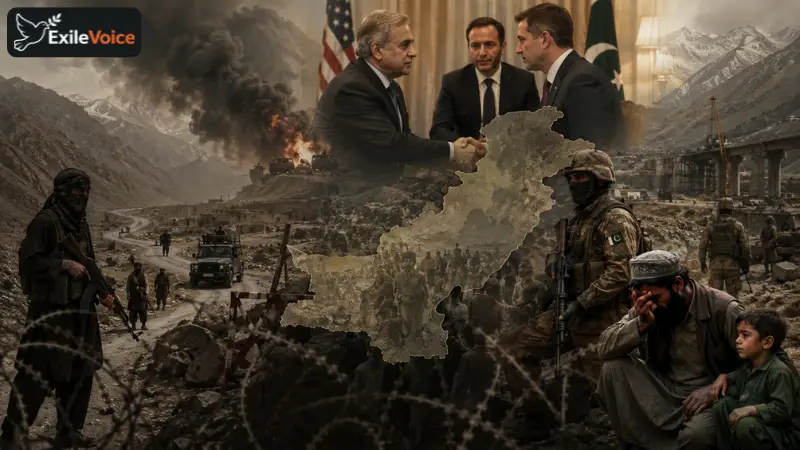
Pakistan currently faces a paradoxical reality on the global stage. While recent diplomatic engagements in Washington, highlighted by the high-profile meeting between Deputy Prime Minister Ishaq Dar and U.S. officials, suggest an effort to improve international standing and foster stronger partnerships, the domestic security situation tells a far more sobering story. According to the latest Global Terror Index, Pakistan has ascended to the top position, a development that signifies a critical escalation in internal security threats.
The data indicates that this is Pakistan’s highest-ever score on the index since its inception. Comparing the current landscape to the period between 2020 and 2025, the country has experienced a sixfold increase in terrorist attacks. The Tehreek-e-Taliban Pakistan (TTP) remains the primary driver of this instability, having been identified as the deadliest group for the fifth consecutive year. Accounting for approximately 56% of all terrorism-related casualties in Pakistan, the TTP’s influence and operational capacity have surged significantly, with a 13% increase in attacks over the past year alone.
The geographic concentration of this violence is particularly alarming. Khyber Pakhtunkhwa (KP) and Balochistan bear the brunt of these security challenges, witnessing roughly 75% of all attacks and casualties within the country. This concentration of violence in western provinces, despite a significant security presence, highlights a complex failure in the current "whole-of-state" approach to counter-terrorism. Furthermore, the Balochistan Liberation Army (BLA) serves as a strategic spoiler, focusing its efforts on infrastructure projects, particularly those linked to the China-Pakistan Economic Corridor (CPEC).
Beyond the immediate threat of violence, there are concerns regarding political stability in regions such as Gilgit-Baltistan. As the state grapples with these entrenched security issues, experts emphasize that military interventions alone are insufficient. Effective counter-terrorism requires winning the trust and support of the local populace, as these conflicts are fought within communities, villages, and cities rather than on traditional battlefields. The current situation demands a profound reflection on strategy and a shift toward policies that prioritize local stability and trust over purely militaristic approaches.