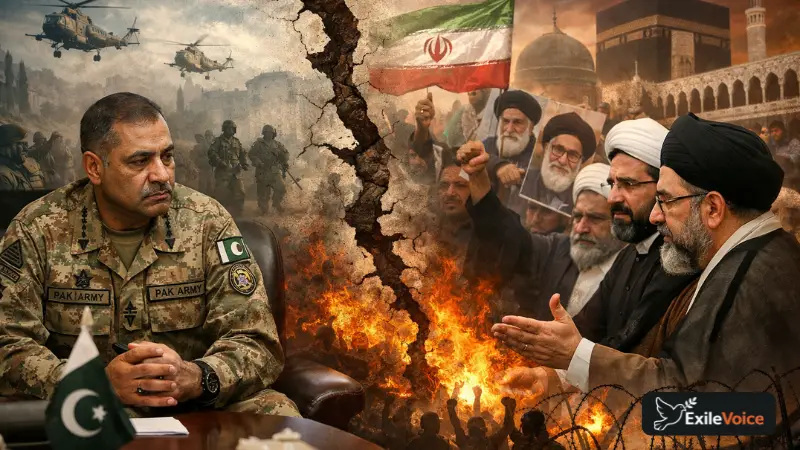
The internal stability of Pakistan is currently facing a significant test as the nation finds itself at a critical geopolitical and sectarian crossroads. Recent reports detail a high-stakes meeting between Pakistan’s Chief of Army Staff (COAS), General Asim Munir, and prominent Shia religious scholars. This interaction, rather than serving as a bridge for national unity, has reportedly ignited a firestorm of controversy, highlighting deep-seated "fault lines" within the country's social and political fabric.
Central to the tension is the military leadership's firm stance on domestic reactions to international events, specifically the ongoing turmoil in Iran. The COAS reportedly adopted a stern tone, issuing warnings against protests or civil unrest triggered by foreign developments. The rhetoric used, suggesting that those who prioritize foreign ideological allegiances over national identity should consider relocating, has been met with sharp rebukes from the clergy. Scholars like Allama Shehanshah Naqvi and Allama Raja Nasir Abbas have countered this by asserting that religious identity and humanitarian concern for "oppressed" populations, such as those in Iran and Gaza, are not antithetical to Pakistani patriotism.
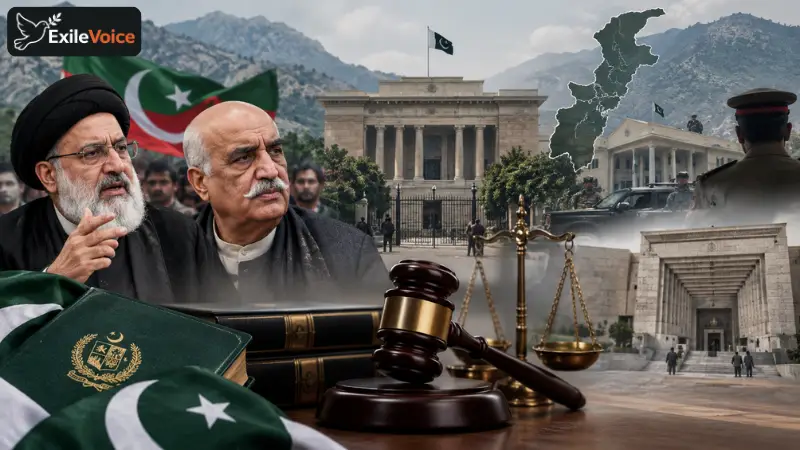
This friction is not merely a domestic dispute; it is inextricably linked to Pakistan’s strategic alignment. Analysts suggest that Pakistan is under increasing pressure to choose sides in the escalating rivalry between Saudi Arabia and Iran. The military’s emphasis on "blind power" as a governing principle of global affairs suggests a pragmatic, albeit controversial, shift toward securing alliances that may require "boots on the ground" in regional conflicts. The potential activation of sectarian fault lines poses a dire risk to internal security, especially if the state continues to pursue military trials for protesters in regions like Gilgit-Baltistan and Parachinar.
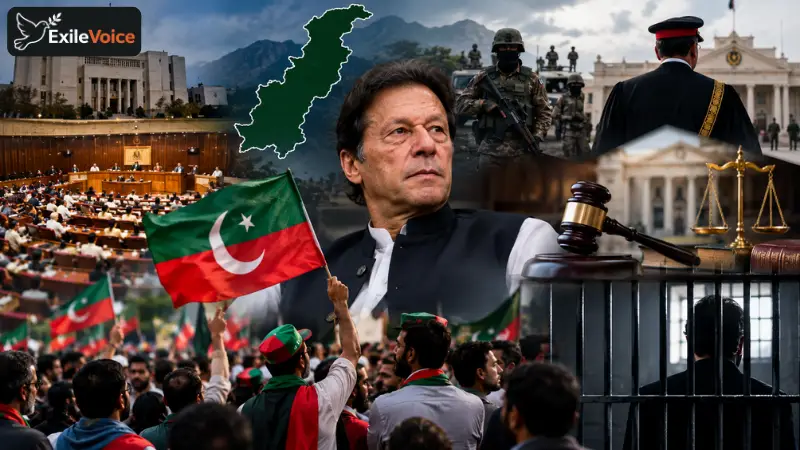
Furthermore, the continued incarceration of former Prime Minister Imran Khan is viewed through this same geopolitical lens. Proponents of this view argue that Khan is perceived as a "disruptor" whose release could galvanize the masses and challenge the current military-backed strategic direction. As the "Field Marshal" persona of the military leadership navigates these turbulent waters, the risk of a "time bomb" effect, where economic, social, and sectarian pressures converge, remains a haunting possibility for Pakistan's future.