

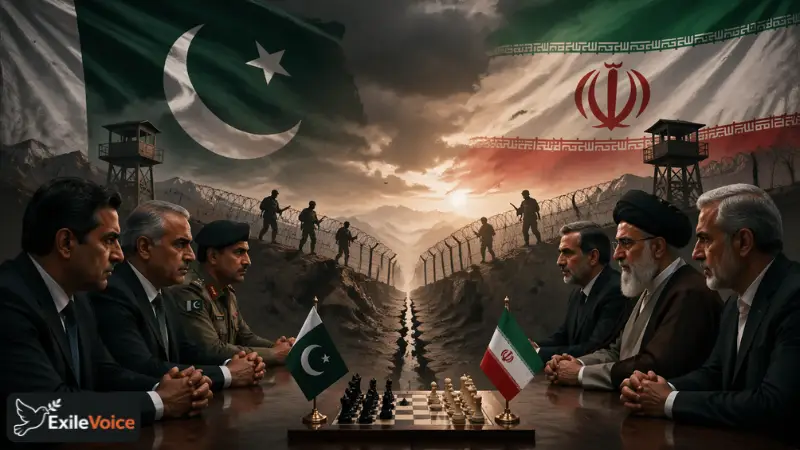
The relationship between Pakistan and Iran, historically a complex mix of cooperation and competition, has entered a period of significant strain. Recent developments suggest that Islamabad is increasingly unhappy with Tehran, a sentiment driven by a combination of cross-border security issues, sectarian nuances, and differing regional alignments. As both nations grapple with internal economic pressures and external security threats, the traditional "brotherly" rhetoric is being replaced by cold, calculated diplomatic maneuvering.
A primary source of friction is the issue of border security. Pakistan has long expressed concerns regarding militant groups operating from Iranian soil, while Iran has leveled similar accusations against Pakistan. The inability of both nations to effectively manage their porous borders has led to several high-profile skirmishes and diplomatic standoffs. Furthermore, the shadow of third-party influences, namely India and Saudi Arabia, continues to complicate the bilateral dynamic. Pakistan views Iran’s deepening ties with India, particularly regarding the Chabahar port, as a strategic encirclement, while Iran remains wary of Pakistan’s close military and economic partnership with Riyadh.
Furthermore, the domestic political landscape in Pakistan plays a crucial role. As the country seeks to stabilize its economy through the China-Pakistan Economic Corridor (CPEC) and Western aid, its alignment with Iran often puts it in a difficult position regarding international sanctions. The frustration in Islamabad stems from a feeling that Tehran does not fully appreciate Pakistan’s security dilemmas. Moving forward, the restoration of trust will require a robust mechanism for intelligence sharing and a mutual commitment to respect territorial sovereignty, failing which the region could see a widening rift between these two pivotal Islamic republics.

