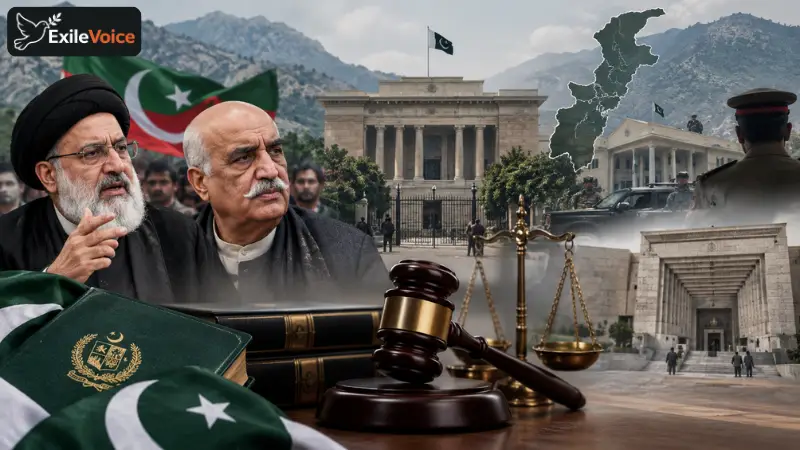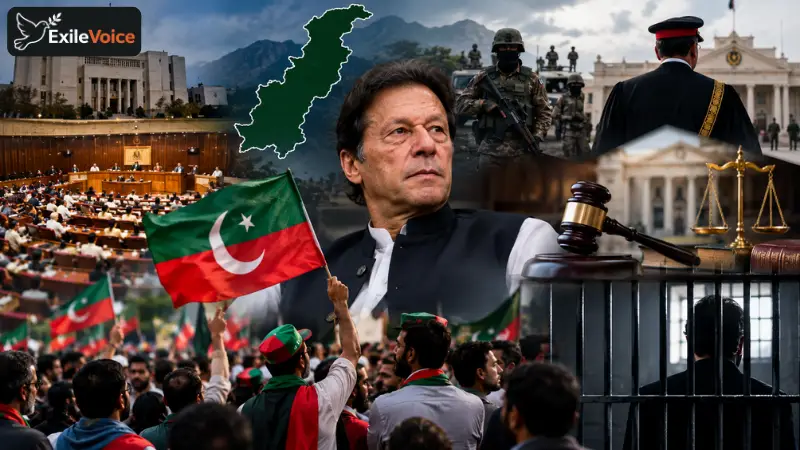
The debate surrounding the creation of new provinces in Pakistan has gained significant traction, emerging as a point of contention between the political establishment and the administrative machinery. Proponents, reportedly linked to influential circles, argue that the creation of new provinces is "inevitable" and essential for better governance and public service delivery. They suggest that the issue has already received considerable public support and that political parties failing to align with this vision risk facing significant political backlash.
However, the political reality is far more complex. The ruling parties, particularly the PML-N and the PPP, have shown marked reluctance to support the division of existing provinces like Punjab or Sindh. Analysts suggest that these parties fear that the creation of new provinces would fundamentally alter their political power bases. For instance, in Punjab, there is a strong concern that dividing the province would severely limit the influence of the current leadership, who have traditionally relied on control over the resources and administrative apparatus of the unified province.
The opposition to this proposal is often subtle but calculated. While the military establishment is reportedly pushing the agenda, the political parties are attempting to navigate this pressure by using others as intermediaries. There are reports that the PML-N is using the PPP as a shield to express its opposition without directly confronting the establishment. This internal tension highlights the precarious nature of the current governing coalition, which is heavily reliant on the establishment for its continued existence.
The core of the issue lies in the distribution of resources. Opponents of the plan argue that dividing provinces like Sindh or Punjab would disrupt established tax revenue streams, particularly given that current industrial and commercial hubs, such as Karachi, generate a significant portion of national revenue. Critics of the plan also point to the lack of transparent planning and the potential for increased administrative expenses, which the country can currently ill-afford. As this debate continues, it serves as a litmus test for the strength of political institutions against centralizing pressures.