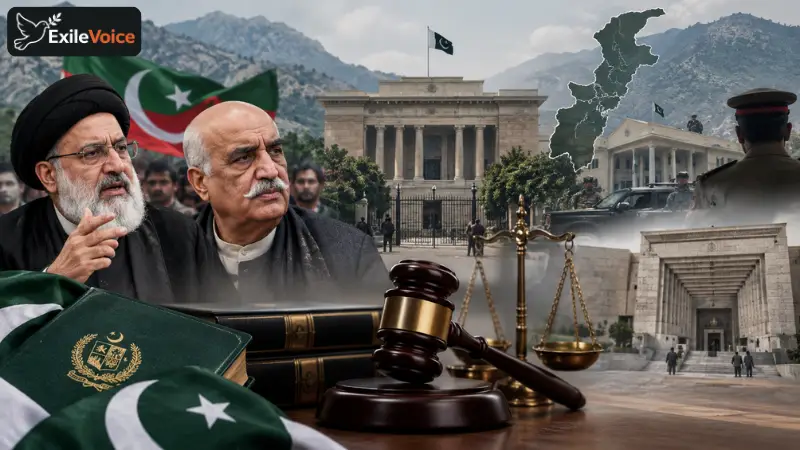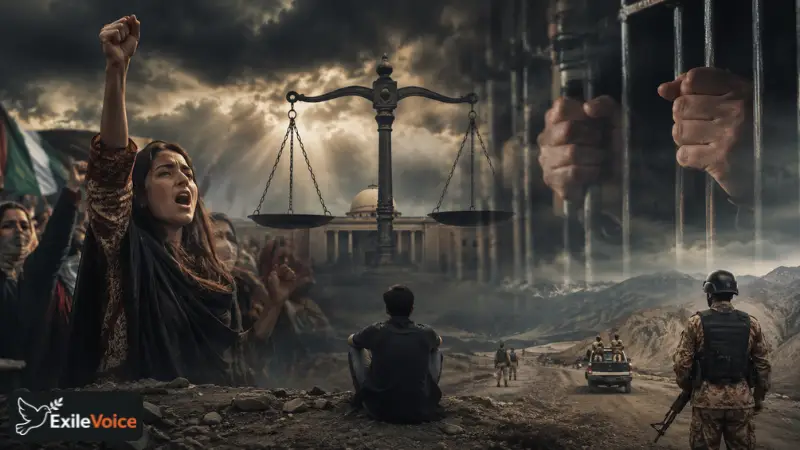
The Pakistani political landscape is currently marked by intense judicial and human rights debates, as the state faces mounting criticism over its treatment of activists and political dissenters. The sentencing of Mahrang Baloch to life imprisonment, following what observers describe as a summary trial, has drawn significant international attention. The case, rooted in a 2024 incident involving the death of a police constable during a protest, has sparked widespread debate about the use of serious criminal charges against political activists. Critics argue that branding protesters as "terrorists" or "anti-state" elements undermines the very architecture of Pakistan’s legal and judicial system.
Parallel to this, the arrest of Kashmiri poet Ahmed Farhad and the ongoing legal challenges faced by figures such as Imaan Hazir Mazari and Hadi Jatha underscore a broader trend of targeted suppression. These actions, viewed by many as an attempt by the state to exercise "iron-handed" control, raise profound questions about the sustainability of current state policies. History, as referenced by the decline of the Mughal Empire under Aurangzeb, often serves as a cautionary tale for states that prioritize force over systemic stability.
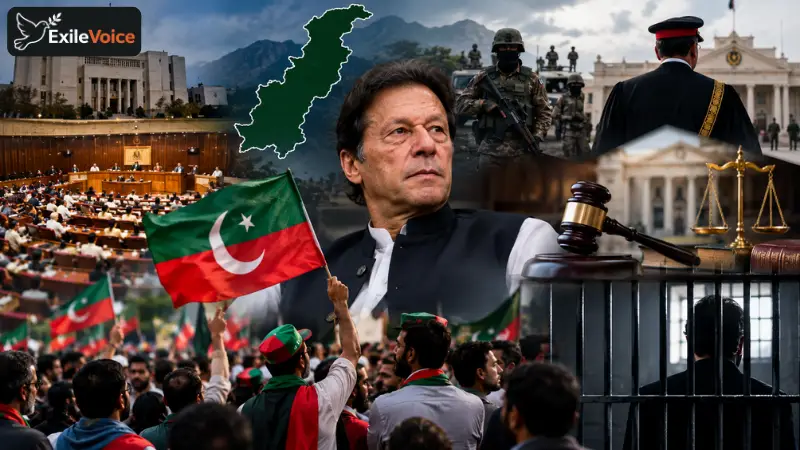
The impact of these policies is felt most acutely in peripheral regions like Balochistan, FATA, and Azad Kashmir, where populations are increasingly alienated from the central state structure. There is a growing sentiment that legitimate avenues for political protest are closing, leaving little space for peaceful dissent. Furthermore, the continued detention of political leaders like Imran Khan and the associated legal battles against his inner circle add layers of instability.
While the current security establishment may feel emboldened by recent geopolitical shifts, observers argue that this is a transient opportunity. The reliance on administrative power to suppress dissent without addressing underlying social and political grievances risks long-term volatility. For a nation facing significant economic and social challenges, the need for a more inclusive and legally sound political process is more urgent than ever.