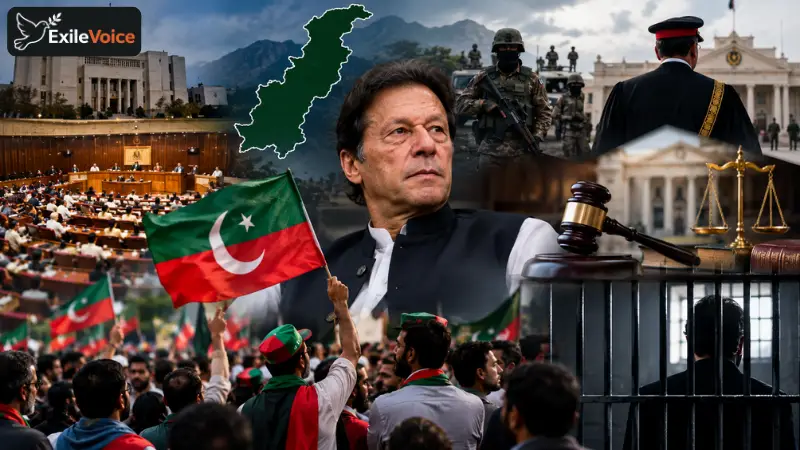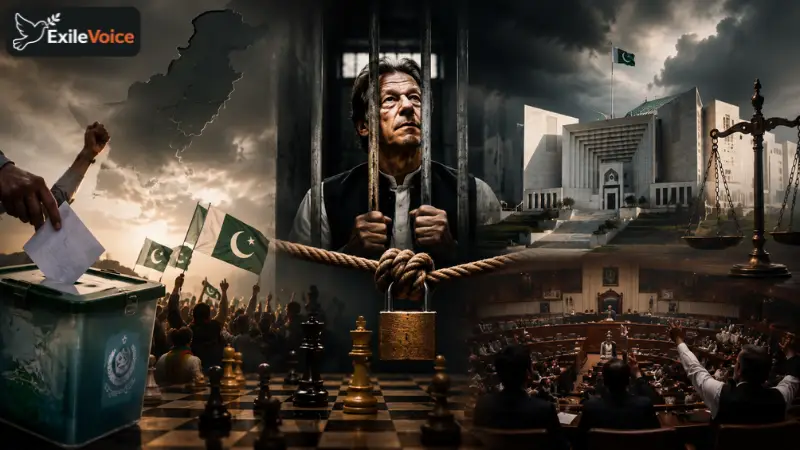
The current political climate in Pakistan is defined by a deep-seated impasse between the government, the judicial process, and the opposition, specifically surrounding the incarceration of Imran Khan. Analysis of recent political developments suggests that the restriction of visitation rights for Imran Khan has become a focal point of contention. Government representatives have justified these limitations by citing the potential impact of Khan’s criticism on the families of institutional officials, arguing that such rhetoric causes undue distress. Conversely, legal analysts and supporters of the Pakistan Tehreek-e-Insaf (PTI) view this as a selective application of standards, contrasting the sensitivity shown toward institutional families with the treatment of political figures and their families.
Furthermore, the discussion highlights concerns regarding the integrity of the electoral process. The debate over comparing the 2018 and 2024 elections has opened a new political dialogue. There are calls for an independent, transparent inquiry into both electoral cycles to address allegations of systemic manipulation, such as the reported use of Result Transmission Systems (RTS) to alter outcomes. The skepticism regarding institutional transparency is compounded by parliamentary clashes, where the Speaker of the National Assembly and opposition leaders have engaged in sharp exchanges over the criticism of state institutions. These events underscore the pressing need for a structured dialogue to restore institutional trust and ensure that the political process remains accountable to the public mandate.