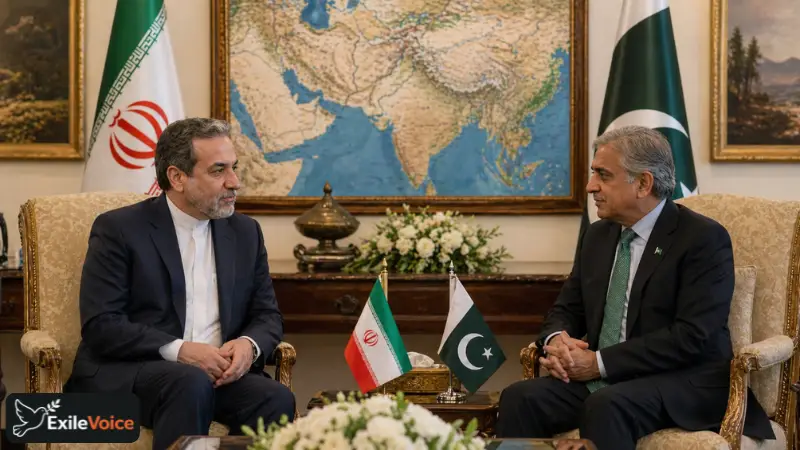
The geopolitical landscape of South and Central Asia remains in a state of high alert as Iranian Foreign Minister Abbas Araghchi concludes a series of high-stakes diplomatic engagements, including a crucial stop in Islamabad. This visit comes at a time when the threat of regional conflict looms large, necessitating a delicate balancing act by Pakistan. Araghchi’s movements—spanning Oman, Pakistan, and potentially Russia, underscore a period of "shuttle diplomacy" aimed at securing regional interests amidst shifting American foreign policy.
A significant point of discussion during this diplomatic circuit is the role of the United States under the influence of President-elect Donald Trump’s incoming administration. Reports suggest that key figures like Jared Kushner and Steve Witkoff have opted for remote negotiations rather than physical travel to the region, citing costs and logistical complexities. This shift indicates a pragmatic, transaction-heavy approach to Middle Eastern and South Asian affairs. Iran, sensing this change, is actively engaging with regional powers like Pakistan, Turkey, and Egypt to ensure its narrative is heard before new American policies are set in stone.
The logistical details of Araghchi’s travel also provide insight into the security concerns currently paralyzing the region. The use of specialized transport and the cautious navigation through international waters and airspace reflect the very real danger of miscalculation between Iran and its adversaries. For Pakistan, hosting the Iranian delegation is a message of neutrality and a commitment to regional stability. Islamabad has long maintained that it will not be a party to any conflict that further destabilizes the Muslim world, yet its proximity to Iran and its strategic ties with the West make this position difficult to maintain.
Economic factors are also at play. The "Shadow Fleet" of oil tankers and the continued supply of energy resources are vital for Iran’s survival under sanctions. As regional coordination intensifies, the conversation is shifting from purely military concerns to economic resilience. Pakistan’s role as a mediator or a "buffer" state is being tested once again. The outcome of these talks in Islamabad will likely influence how the "Ceasefire" or "De-escalation" phase is managed in the coming months.
Ultimately, the Araghchi visit highlights that while global powers like the US and Russia set the broad strokes of international policy, the regional "middle powers" like Pakistan and Iran are the ones who must navigate the immediate consequences of these decisions. Stability in Islamabad is not just a domestic requirement; it is a regional necessity for any meaningful peace process to take root.