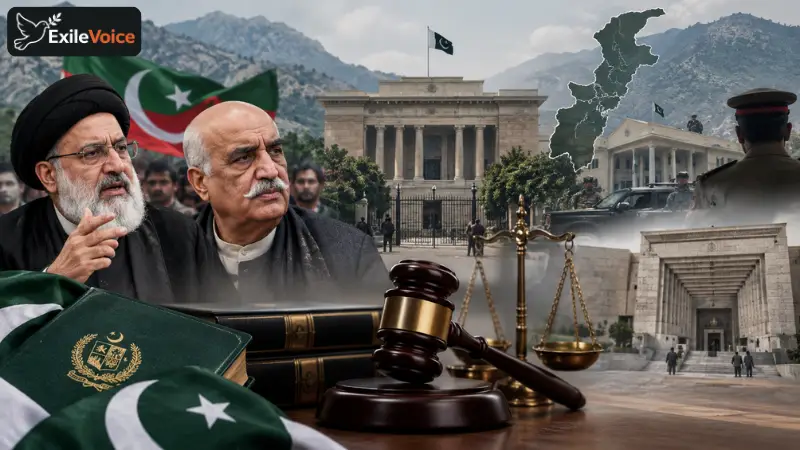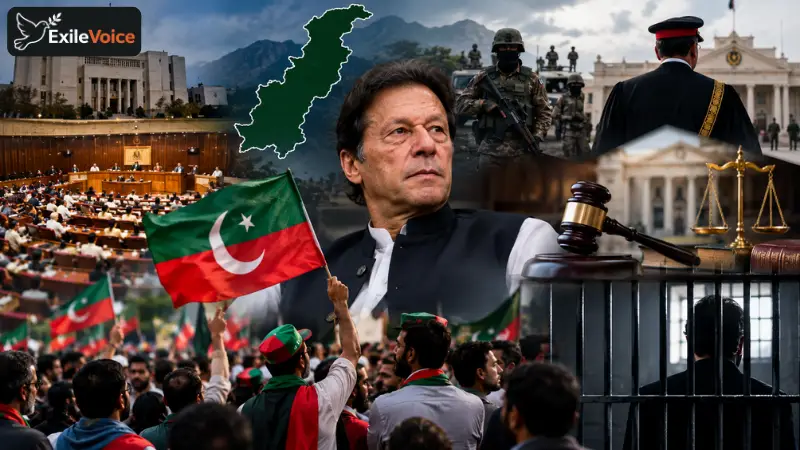
The political environment in Pakistan continues to be defined by high-stakes maneuvering, characterized by shifting alliances and intense scrutiny of the ruling class. Recent discussions have highlighted the perceived divide between the actions of the political elite and the expectations of the populace. Observations concerning the administration of provincial affairs in Punjab, particularly regarding budget allocations for "entertainment and gifts," have drawn sharp criticism. These expenditures, sometimes exceeding initial projections through supplemental grants, are seen by some observers as a disconnect between public officials and the economic realities faced by the average citizen.
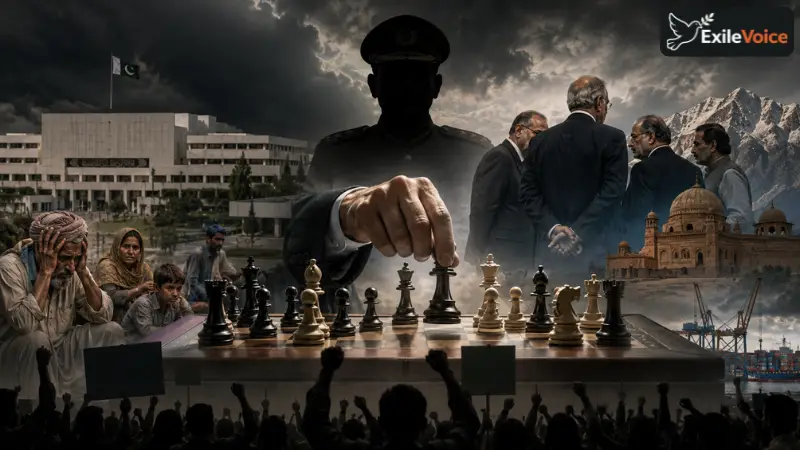
Furthermore, the discourse surrounding the political stability of various regions, including Sindh and Gilgit-Baltistan, underscores a broader anxiety regarding the influence of establishment forces in provincial governance. The suspicion that central authorities may be orchestrating shifts in regional leadership, replacing incumbents with figures perceived to be more aligned with their interests, has led to heightened political tension. Figures within the Pakistan Peoples Party (PPP), for instance, are viewed as actively recalibrating their stances to navigate these pressures, reflecting the pervasive influence of establishment dynamics on provincial political continuity.
The role of media commentary in shaping these narratives cannot be overlooked. Prominent columnists and analysts frequently debate the failures of both the government and the opposition, often focusing on the perceived inability of political parties to maintain effective economic and political messaging. As these debates intensify, the central question remains: how much influence does the political leadership truly exercise over the national and regional agendas? The recurring theme is one of deep-seated skepticism toward the current political system, with observers cautioning that public trust is being tested by these tactical political games.