Since its inception in 1947, the relationship between Pakistan and Afghanistan has been defined by a fundamental dispute over border recognition. While many regional challenges have evolved or shifted over the decades, the border issue remains a consistent source of diplomatic friction and security instability. As the geopolitical landscape of South Asia continues to shift, the question of whether these two neighbors are heading toward a more permanent state of confrontation has become a central point of international concern.
The historical context is rooted in 1947, when Afghanistan became the only nation to challenge the validity of the border, rejecting the established demarcation. For over 75 years, this fundamental disagreement has acted as a persistent undercurrent to all other interactions, including peace treaties, diplomatic outreach, and various security experiments involving non-state actors. Despite numerous attempts at mediation and regional stabilization, the underlying lack of consensus has prevented a durable security architecture from taking hold.
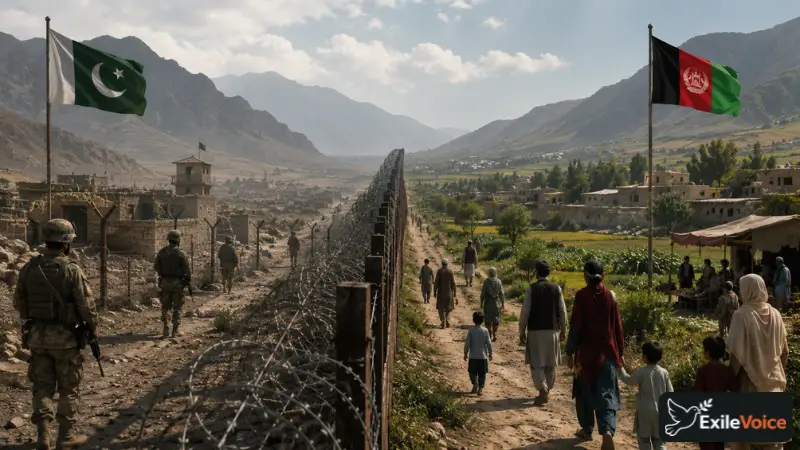
In the contemporary era, this tension has mutated into a more complex challenge. Border skirmishes, the infiltration of militant groups, and the cycle of mutual recrimination have become routine. Both nations frequently trade accusations of enabling cross-border attacks, with each side accusing the other of providing sanctuary to entities that threaten their internal security. This "tug-of-war" has hampered efforts to foster cross-border trade, cultural exchange, and stability in the borderlands.
The impact of this ongoing tension is felt most acutely by the populations living along the frontier. Unlike traditional interstate conflicts that can be managed through formal military-to-military de-escalation, this conflict involves a mix of tribal dynamics, ideological friction, and historical grievances. Attempts to use "collective punishment" or heavy-handed state tactics against border communities have historically failed to produce security, often exacerbating local resentment and providing further opportunities for militant recruitment.
Moving forward, the normalization of relations requires more than just high-level rhetoric or "track two" diplomacy. It demands a pragmatic acceptance of the status quo and a commitment to address security concerns through transparent, institutionalized channels. Until both Islamabad and Kabul can move beyond the cyclical narrative of blame and acknowledge the mutual necessity of a stable, secure border, the region remains susceptible to sporadic violence and perpetual uncertainty. The challenge for both governments is to decouple their long-standing historical grievances from the immediate imperative of regional economic and social stability.