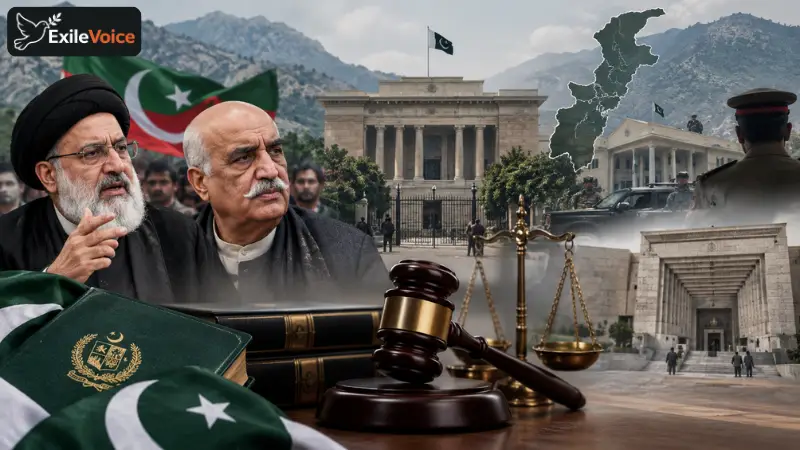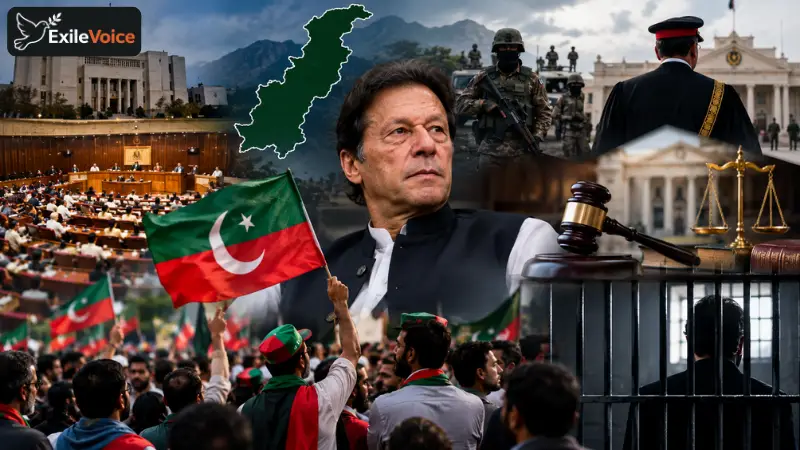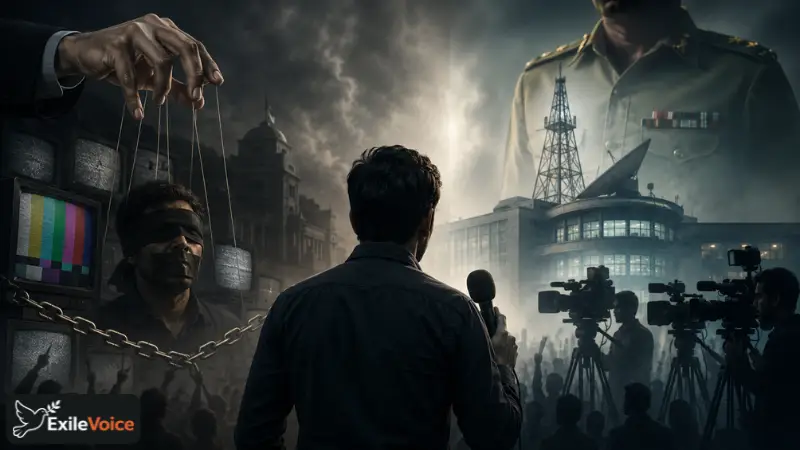
The relationship between media outlets and the state in Pakistan has come under intense scrutiny following recent controversies involving major television networks and alleged government management. Concerns have emerged regarding the suppression of dissenting voices, where state institutions, including PEMRA and intelligence agencies, are accused of coordinating with media outlets to mandate specific narratives, including the deletion of critical social media posts and the forced broadcasting of supportive content.
These actions raise profound questions about the nature of modern journalism in the country. When media organizations cross the line from objective reporting to what is perceived as "personal enmity," they often invite severe administrative backlash. The current environment is characterized by an orchestrated approach where journalists are reportedly contacted by state media wings to align their coverage with official stances. This practice is widely criticized as a departure from democratic media ethics, which should prioritize transparency and the public interest over state-managed narratives.
Furthermore, historical precedents suggest that such attempts to control media output are rarely sustainable. Similar patterns observed in the past, such as attempts to pass restrictive media bills, often falter when faced with broader professional opposition and lack of public consensus. The current strategies, which utilize institutional pressure to manage public perception, ultimately risk undermining the credibility of both the media houses involved and the governing bodies overseeing them. A commitment to genuine apology and ethical journalism, rather than coerced compliance, remains the only path to restoring public trust in these essential democratic institutions.