Maulana Fazal Ur Rehman has recently intensified his rhetoric, delivering pointed speeches criticizing the current military leadership and addressing the treatment of security personnel. His public comments, particularly regarding historical events like the Kargil conflict and the handling of martyrs' bodies, have generated significant debate. The core of his argument suggests that state institutions have failed to demonstrate genuine respect for the sacrifices made by soldiers, and he challenges the leadership to account for these actions.
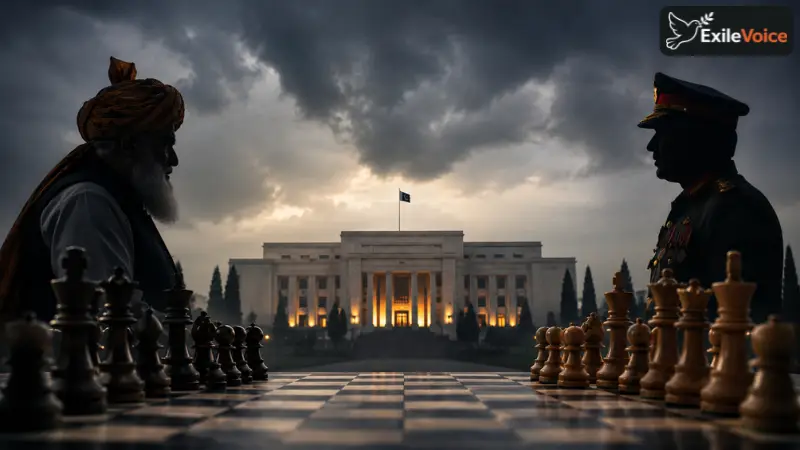
The analysis of his recent addresses suggests a strategic shift in political positioning. While he speaks strongly against the military establishment, the commentary warns that this could be part of a larger, managed political narrative. The analyst posits that the current environment, where such harsh criticism is allowed without the typical repercussions faced by other political figures, raises questions about the nature of the political game being played.
Furthermore, Fazal Ur Rehman’s references to historical events, such as the situation in former East Pakistan, are interpreted as a warning about the potential consequences of current security policies in Balochistan and Khyber Pakhtunkhwa. He highlights the role of political parties in past conflicts, suggesting that the dynamics of enlisting public or factional support against internal threats have long-term repercussions for national unity and political legitimacy.
The analysis concludes that while the points raised by Fazal Ur Rehman regarding historical transparency and accountability are fact-based and significant, the context of his current freedom to operate and his ongoing public engagement strategy should be scrutinized. It cautions against taking political rhetoric at face value, suggesting that his actions might be aligned with specific, broader political developments rather than a simple challenge to the status quo.