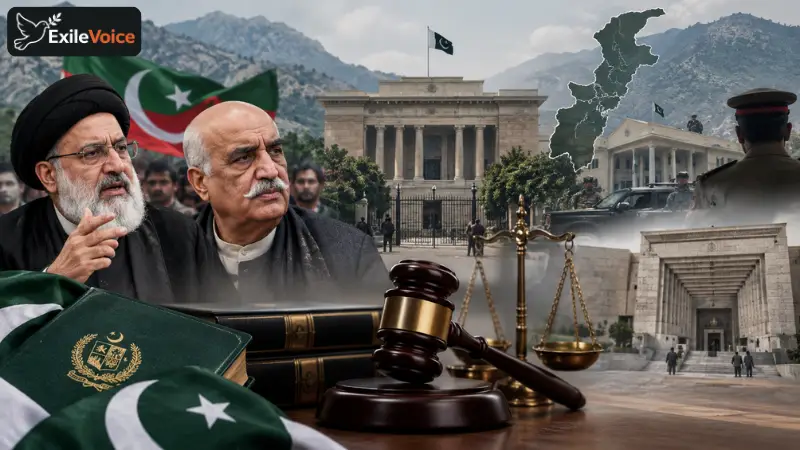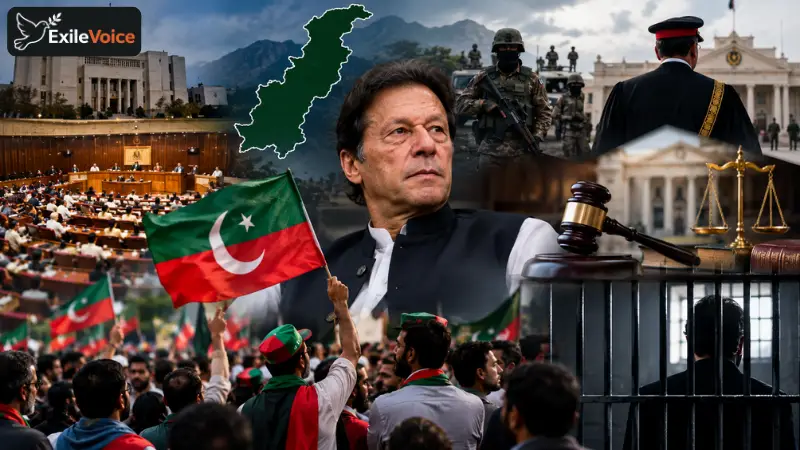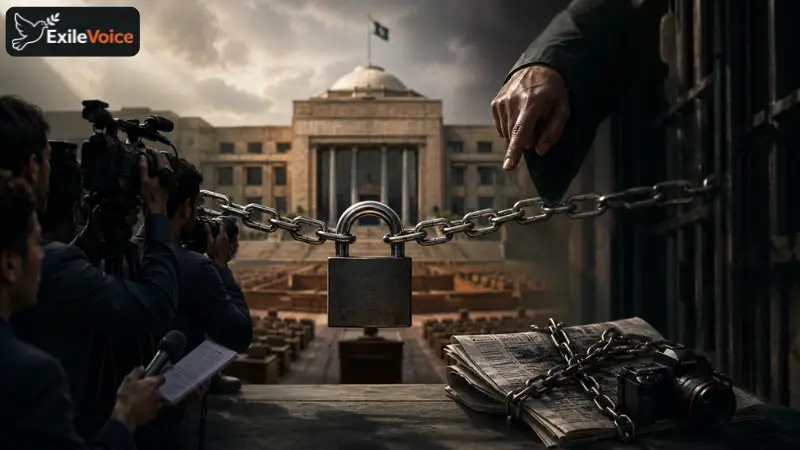
In a move that has drawn significant scrutiny, the Khyber Pakhtunkhwa (KP) Assembly has introduced legislative measures that appear to severely restrict media freedom and freedom of speech. These proposed laws include punitive actions for journalists who report on assembly proceedings or committee reports without official authorization, with penalties ranging from imprisonment to significant fines. Such legislation is being viewed as a contradiction to the democratic principles of transparency and accountability, particularly given the broader national discourse on the suppression of media voices.
The core of the issue lies in the potential for these laws to be used as tools for censorship rather than for maintaining institutional order. By criminalizing reporting that the assembly or its speakers may deem unfavorable or "distorted," the legislation effectively creates a culture of fear among media practitioners. This approach undermines the role of the press as a watchdog of public institutions and limits the public's right to information regarding the legislative process.
Moreover, the timing of such measures is particularly sensitive. As society grapples with existing constraints on digital and traditional media, the implementation of provincial-level restrictions exacerbates concerns about the shrinking space for dissent. Critics argue that legislative efforts should focus on empowering journalists and ensuring their protection rather than imposing stifling penalties. A professional, democratic society thrives on the robust exchange of ideas and the ability of the media to hold power to account. Moving forward, the focus must shift toward legislative frameworks that uphold constitutional rights, encourage open reporting, and foster a healthy, transparent political environment that respects the fundamental principles of free speech.