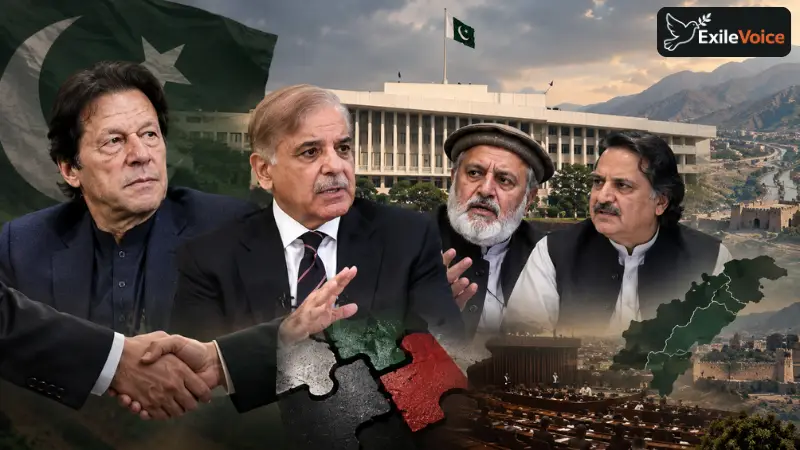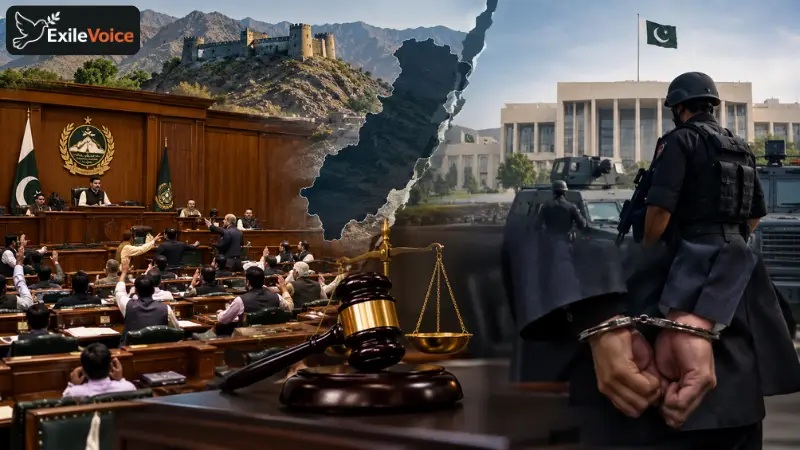
A major policy debate over legislative immunity, law enforcement protocols, and provincial autonomy has emerged following the passage of new procedural requirements by the Khyber Pakhtunkhwa Provincial Assembly. The assembly passed legislation requiring law enforcement agencies to obtain formal approval or provide prior notice to the Speaker of the Assembly before arresting or detaining any Member of the Provincial Assembly (MPA) on criminal or administrative charges. The statute, designed to safeguard lawmakers from arbitrary executive detention and politically motivated arrests, has ignited intense opposition from federal officials and political commentators.
Federal interior representatives publicly criticized the provincial law, questioning its constitutionality and governance implications. Federal critics argue that requiring legislative authorization prior to police intervention creates an unequal standard of justice, potentially granting elected officials immunity from immediate law enforcement action even in severe criminal situations. In response, provincial representatives pointed out that identical statutory protections were passed by the National Assembly of Pakistan in October 2022 under a previous federal coalition government. The national legislation similarly mandated that the Speaker of the National Assembly must be informed and give concurrence prior to the arrest of any Member of the National Assembly (MNA).
This legislative confrontation underscores deeper institutional friction between federal executive agencies and provincial governance structures. Khyber Pakhtunkhwa assembly officials contend that the protective law was necessitated by repeated law enforcement raids on the homes of provincial legislators without warrants or judicial oversight. By asserting parliamentary privilege through statutory enactment, the provincial assembly aims to shield its democratic functions from federal overreach. Conversely, federal authorities view the legislation as an attempt to restrict federal security operations and insulate opposition politicians from ongoing investigations.
Adding to the complexity is the ongoing operational strain on Khyber Pakhtunkhwa's counter-terrorism and law enforcement infrastructure. Provincial leadership has raised concerns regarding the inequitable distribution of federal security funds, tactical equipment, and armored vehicle allocations needed to combat regional security threats. While the province remains on the frontlines of volatile security operations, provincial officials assert that administrative delays from federal departments hinder local police readiness. The combination of disputes over legislative arrest immunity and resource allocation gaps highlights the growing operational division between provincial assemblies and federal law enforcement organs.