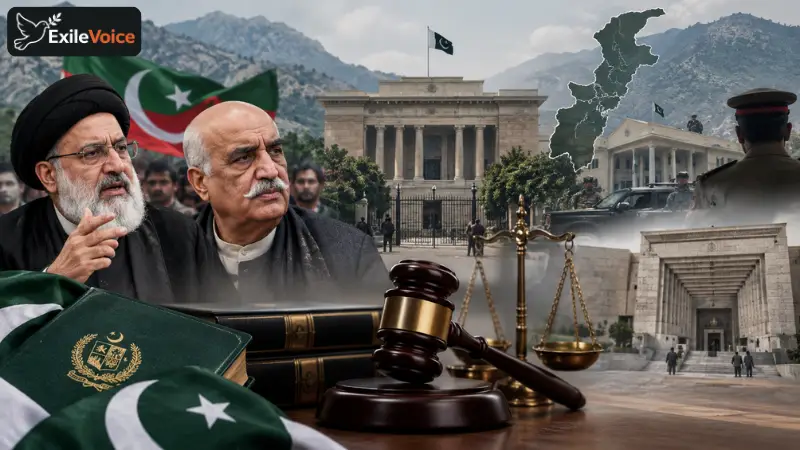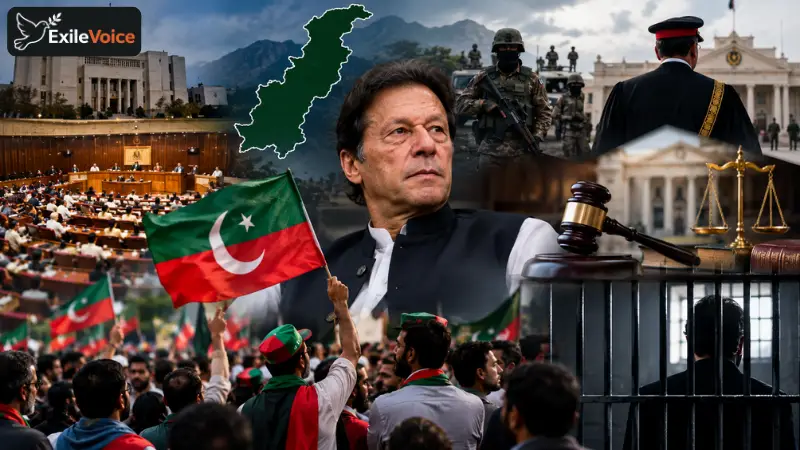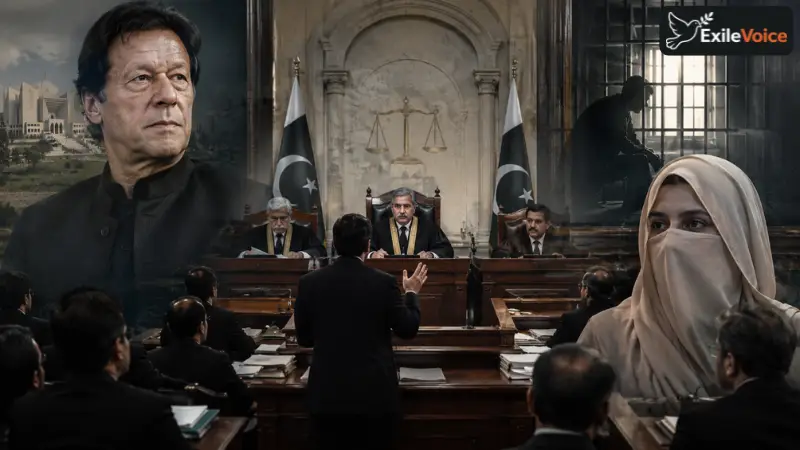
The ongoing legal proceedings involving Imran Khan and Bushra Bibi have become a defining element of the current political landscape in Pakistan. Recent court hearings in the Islamabad High Court, presided over by Justice Soomro, have focused heavily on the conditions of detention, specifically addressing claims regarding solitary confinement and limited access to family members. These hearings have featured arguments from both prosecution and defense regarding the rights of the incarcerated to maintain contact with their families, drawing parallels to historical legal precedents, such as those involving Zulfikar Ali Bhutto.
A central point of contention has been the interpretation of the jail environment and the accessibility of detainees. While the National Accountability Bureau (NAB) prosecution has consistently stated that Imran Khan is not in solitary confinement, the defense teams argue that the restriction of family visitations and the lack of communication channels suggest otherwise. These hearings are not merely legalistic; they carry significant political weight as they involve prominent figures whose status continues to influence public sentiment. The legal strategy employed by the defense, led by figures like Salman Safdar, has sought to bring global and national attention to the conditions of the detention, emphasizing the detainees' ages and health concerns.
The situation is further complicated by the public messaging surrounding these visits. The shifting landscape of permitted access to family members, at times restricted and at times granted to specific individuals, highlights the volatility of the relationship between the judicial system, the state, and the political opposition. These developments have fostered a climate of uncertainty, where each court appearance is viewed as a indicator of broader political shifts. The focus on transparency and the adherence to legal rights in the detention of political figures underscores the broader societal conversation regarding the rule of law and the independence of the judiciary. As these cases proceed, the legal arguments presented in court provide a stark view of the tension between state authority and the rights of individual political actors, making the courtroom a critical arena for observing the health of democratic institutions in Pakistan.