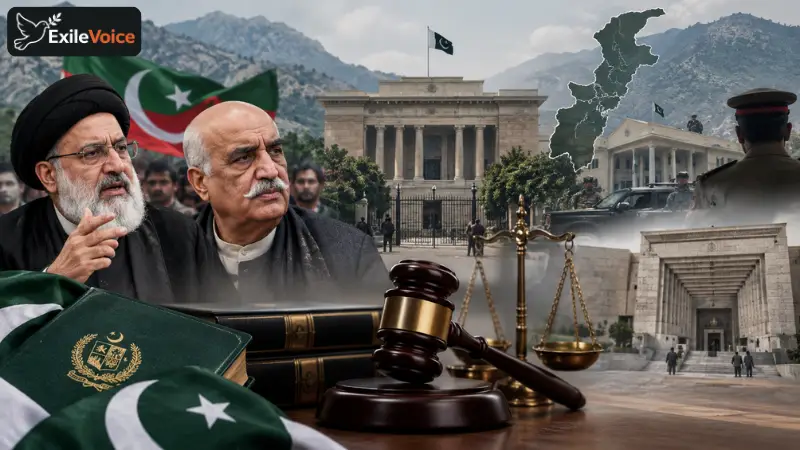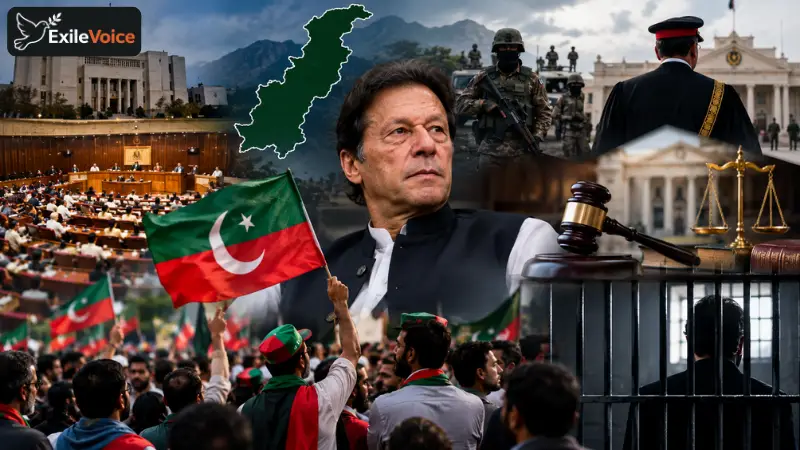
The legal landscape in Pakistan remains fraught with tension as the Islamabad High Court recently addressed high-profile petitions regarding the health and detention conditions of former Prime Minister Imran Khan. The proceedings, overseen by a divisional bench consisting of Justice Arbab Muhammad Tahir and Justice Khadim Hussain Samro, centered on three primary requests from Khan’s legal team: immediate transfer to Shifa International Hospital for specialized treatment, access to his personal physicians, and consistent family visitation rights.
The court’s ruling on these matters reflects the rigid stance of the current administration. The request for hospitalization at Shifa International was effectively deferred; instead, the court directed the Chief Commissioner of Islamabad to form a medical board to evaluate Khan’s health. This board is expected to include government-appointed doctors who have previously treated him, a point of significant contention for Khan’s family and legal team, who argue that these practitioners are under state pressure and cannot provide an independent assessment.
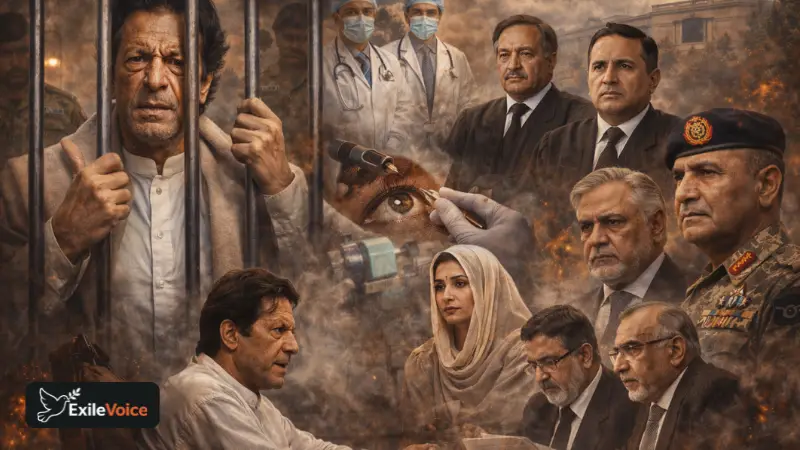
Furthermore, the court declined to issue specific directions regarding family visits, relegating the matter to existing prison regulations. This decision has sparked concerns over the transparency of Khan’s detention, particularly as reports suggest he is undergoing specialized medical procedures for eye-related issues. The state’s legal representative, Advocate General Ayas Shokat, formally accepted state responsibility for Khan’s well-being on the record, yet refused to disclose the specifics of any potential hospital transfers to the family, citing security risks and the potential for public unrest.
This judicial deadlock occurs against a backdrop of persistent rumors concerning high-level negotiations. Reports from veteran journalists suggest that efforts are being made to facilitate a meeting between four retired generals and Imran Khan in jail. While similar reports have surfaced in the past without resulting in tangible shifts, the recurrence of such narratives often coincides with periods of heightened pressure on the military establishment, suggesting that behind-the-scenes maneuvering continues despite the public legal stalemate.