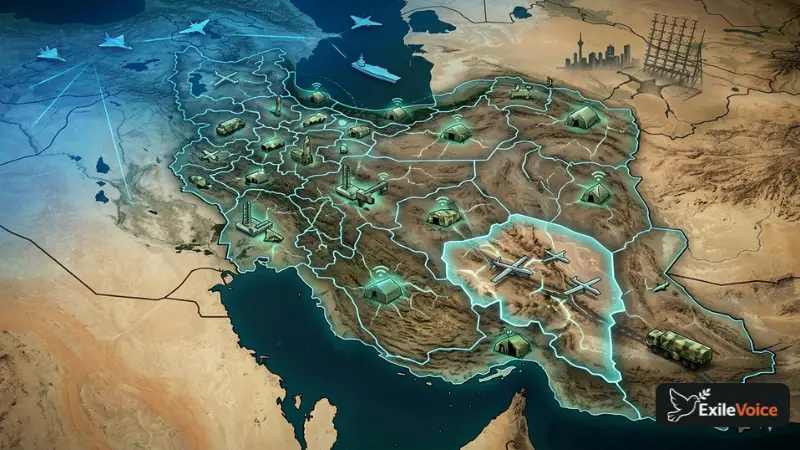
The current conflict in the Middle East has brought Iran’s unique military architecture into sharp focus. To understand why the Iranian defense apparatus remains resilient despite heavy bombardment and leadership targeting, one must look back at the lessons learned from the fall of Baghdad. Following the rapid collapse of Saddam Hussein’s centralized command structure in Iraq, Iran’s military planners, led by former IRGC chief Major General Mohammad Ali Jafari, realized that a centralized system was a liability against a technologically superior adversary like the United States.
Under Jafari’s doctrine, Iran transitioned to a highly decentralized model. The country was divided into 31 distinct military units, corresponding to its provinces. Each unit was designed to function as an independent army with its own manufacturing facilities, missile stockpiles, and command protocols. The "Mosaic Defense" strategy dictates that while these units follow the Supreme Leader during times of stability, they are pre-authorized to operate independently if central communication is severed or if the top leadership is neutralized.
This structural shift explains the persistent drone and missile activity observed even during periods of intense regional strikes. Unlike the Iraqi army, which ceased to function once the central "brain" was disconnected, the Iranian provincial units possess the logistical autonomy to continue localized operations for years. By embedding missile production and storage in "underground cities," Iran has ensured that no single air campaign can eliminate its offensive capabilities. This doctrine is designed to transform any conventional war into a protracted, exhausting conflict of attrition, banking on the idea that global economic pressures will eventually force a ceasefire.