The current political discourse in Pakistan is marked by high levels of volatility, with various analysts observing significant internal conflicts and emerging strategies within both the ruling parties and the opposition. Media commentary has increasingly focused on the future of the current coalition government, with some prominent analysts predicting imminent shifts in the power structure.
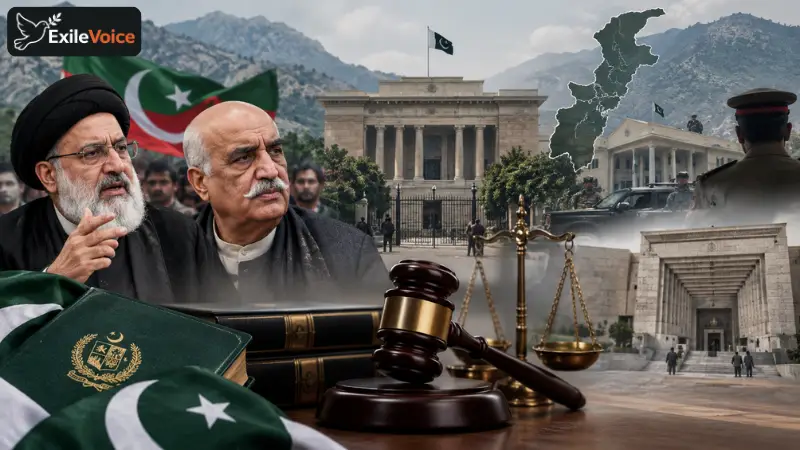
One notable development is the reporting on internal divisions within the Pakistan Muslim League-Nawaz (PML-N). Observers have noted an alleged organized effort from within the Chief Minister of Punjab’s office to isolate the Speaker of the Punjab Assembly, Malik Muhammad Ahmad Khan. Reports suggest that state machinery, including local police, may be utilized to undermine his reputation and create legal obstacles, potentially framing him to favor specific political agendas. This internal friction highlights the complex and often precarious nature of alliances within the ruling party.
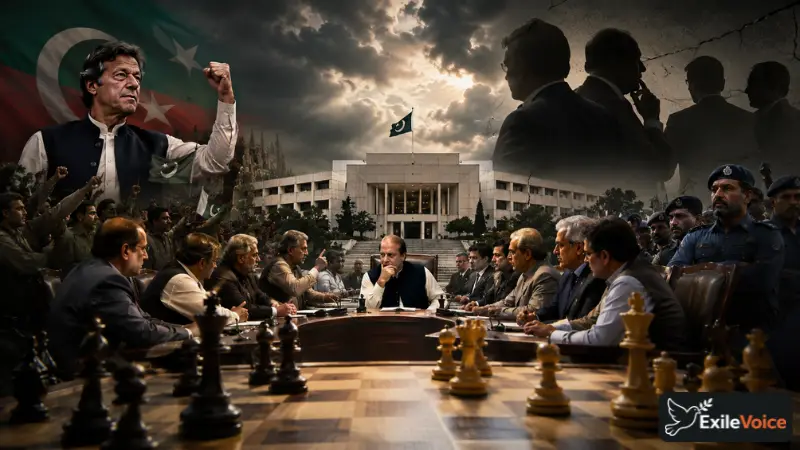
Simultaneously, the discourse around the broader stability of the current government continues to intensify. Analysts like Sohail Warraich have repeatedly suggested that the current administrative setup faces fundamental governance challenges, citing a lack of significant improvement in the economy as a primary concern. The narrative being propagated in certain media circles hints at the possibility of a "national government" replacing the current arrangement, reflecting deep-seated skepticism about the government's longevity.
In contrast, other commentators maintain that the establishment remains steadfast in its support for the current setup, arguing that economic pressures do not necessarily dictate changes in the political hierarchy. This dichotomy in media narratives suggests a deliberate attempt to shape public opinion and test the resilience of the current political order.
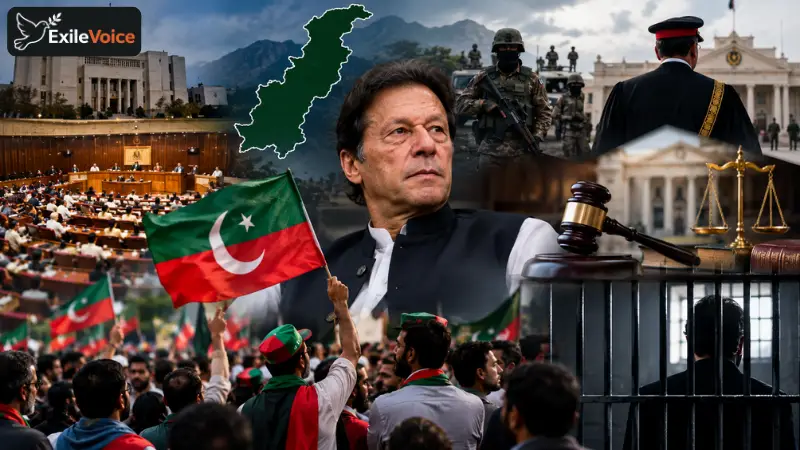
Within the Pakistan Tehreek-e-Insaf (PTI), internal dynamics are also under scrutiny. While some members are actively pushing for a confrontational approach within the assemblies to challenge the legitimacy of the current legislation, this has led to internal disputes among party members. The challenge for the party leadership lies in balancing this commitment to their political stance with the need to maintain unity and focus their efforts on external opposition rather than internal conflicts.