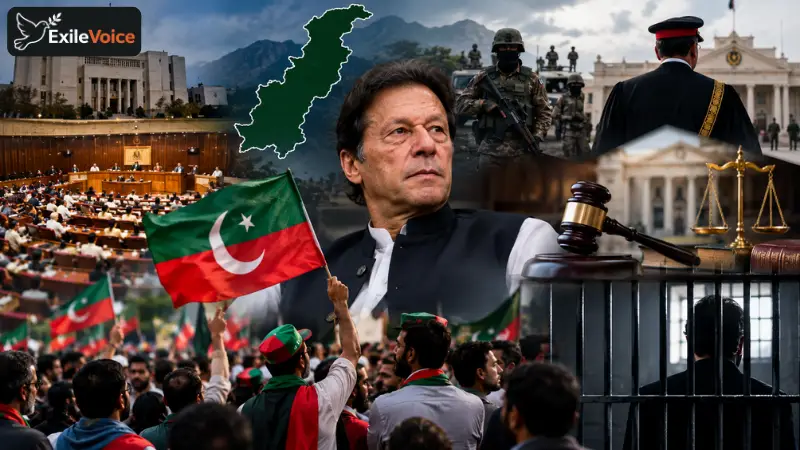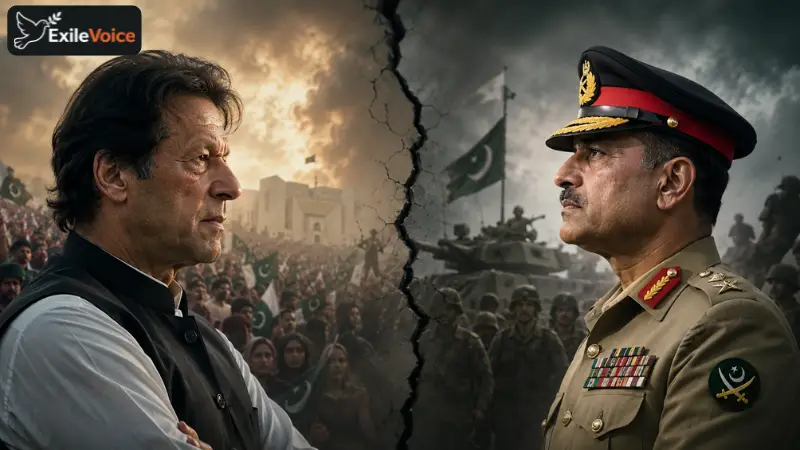
The power struggle between former Prime Minister Imran Khan and the current military leadership, represented by General Asim Munir, remains a focal point of Pakistani politics. Analysis from international observers suggests that the stability of the current governing structure is tenuous, heavily reliant on maintaining the status quo through the incarceration of high-profile political figures.
Imran Khan's continued popularity, despite being in prison, highlights a significant disconnect between the establishment's actions and the public's aspirations. While the military remains the dominant force in national affairs, the political landscape is becoming increasingly polarized. Observers argue that the current administration's legitimacy is frequently questioned, both domestically and internationally, adding pressure to an already fragile economic situation. The narrative surrounding this conflict involves deep-seated accusations of interference in electoral processes and judicial maneuvering. As the nation grapples with economic challenges and social unrest, the resolution of this standoff appears elusive. The sustainability of a governance model that relies on the containment of political opposition is a major concern, with experts suggesting that this approach may only exacerbate the divide and prolong the period of uncertainty that currently defines Pakistan's political scene.