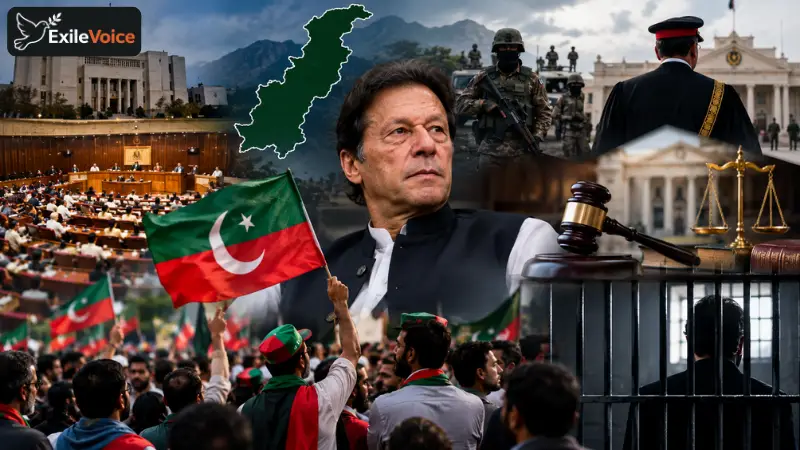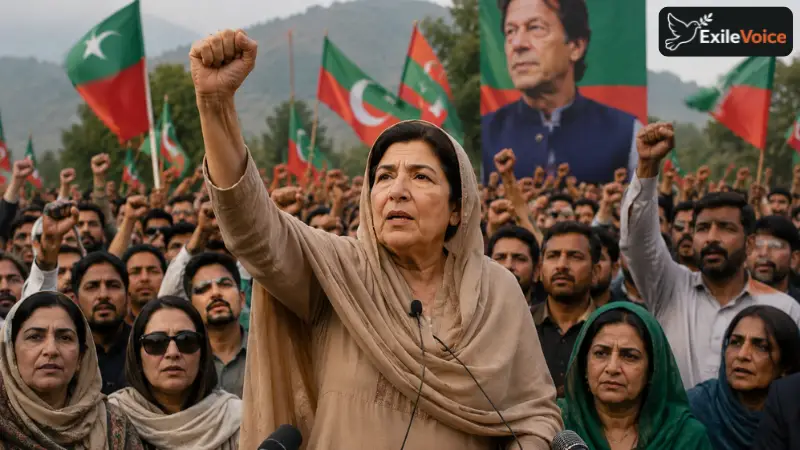
The political landscape in Pakistan has witnessed a significant development with Aleema Khan, sister of imprisoned former Prime Minister Imran Khan, formally launching a street movement (Awaami Ehtejaji Tehreek) to demand her brother's release. This move comes after a period of intense public anticipation and criticism regarding the perceived inaction of the Pakistan Tehreek-e-Insaf (PTI) leadership. The decision to initiate this public mobilization has been met with an enthusiastic response, particularly in areas like Swat, where public support was highly visible.
Aleema Khan has outlined a clear set of demands, prioritizing an end to Imran Khan's solitary confinement and urgent medical attention. Furthermore, she has issued a call for a long march towards Adiala Jail, shifting the strategy from sporadic protests to a focused, sustained effort. A crucial aspect of this new strategy is the directive to the party faithful: should the leadership be arrested, the movement must not falter. The participants are being urged to maintain relentless pressure on the government until the objective is achieved.
The timing and necessity of this movement are subjects of intense analysis. Supporters argue that this mobilization is a vital step in challenging the current political status quo. However, critics and observers note that the delay in initiating such a grassroots campaign might limit its immediate impact, especially given the impending legal threats against key figures. Nevertheless, Aleema Khan's public declaration, stating that the family is prepared for any outcome, including martyrdom, has energized a base that has long felt disenfranchised. The challenge moving forward will be maintaining this momentum while navigating the inevitable state response. The movement's success now hinges on its ability to transition from local demonstrations to a cohesive, national march that can effectively force a shift in the government's approach towards the former Prime Minister.