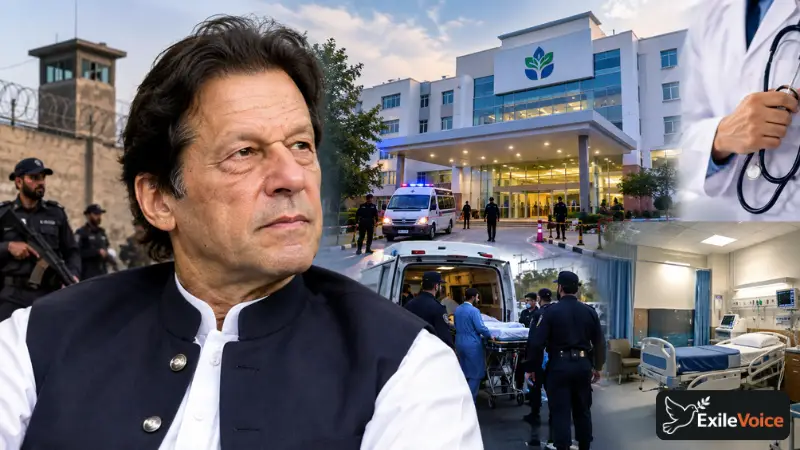
The political landscape in Pakistan remains tense as questions surround the custodial management, safety, and health treatment of former Prime Minister Imran Khan. Recent reports highlighting specialized medical preparations at Shifa International Hospital in Islamabad have intensified public discussion regarding the logistical and administrative challenges involved in relocating a high-profile political prisoner from Adiala Jail to a civil medical facility.
Reports indicating that a dedicated basement sector within Shifa International Hospital had been converted into a secure medical ward reflect the complex operational balancing act required by state authorities and hospital management. Facilities of this scale are designed to function as self-contained units featuring isolated medical rooms, administrative space, and private waiting corridors. The objective of such infrastructure is dual purpose: ensuring top-tier medical care while simultaneously maintaining strict security protocols that prevent unauthorized access and minimize disruption to standard hospital operations.
The decision to prepare dedicated infrastructure stems from judicial directions and medical assessments mandating comprehensive health checks for the PTI founder. While official hospital representatives clarified that preliminary operational readiness does not automatically mean immediate admission, the surrounding protocol emphasizes the delicate nature of moving a former head of government under judicial custody. In similar high-profile cases, urban medical centers must establish strict parking regulations, credentialed access controls, and enhanced physical security along transit routes to manage potential public gatherings and traffic bottlenecks in the federal capital.
From an administrative perspective, managing the health of a major political figure while under incarceration presents significant legal and logistical hurdles. Federal and provincial authorities must coordinate closely with medical boards to determine whether specialized diagnostics require temporary hospital transfers or if state facilities can provide equivalent care. When transfers to private or semi-private medical institutions are considered, security enforcement agencies face elevated operational demands, requiring hundreds of law enforcement personnel to secure transit lines and perimeter defense.
The political commentary surrounding these developments reflects deep public interest and heightened scrutiny from both political supporters and civil society. Transparency regarding medical findings and adherence to judicial directives remain vital factors in preventing misinformation and maintaining public order. As legal proceedings and medical evaluations continue, the operational management of Imran Khan's health protocols remains a central focal point in Pakistan's evolving political narrative.