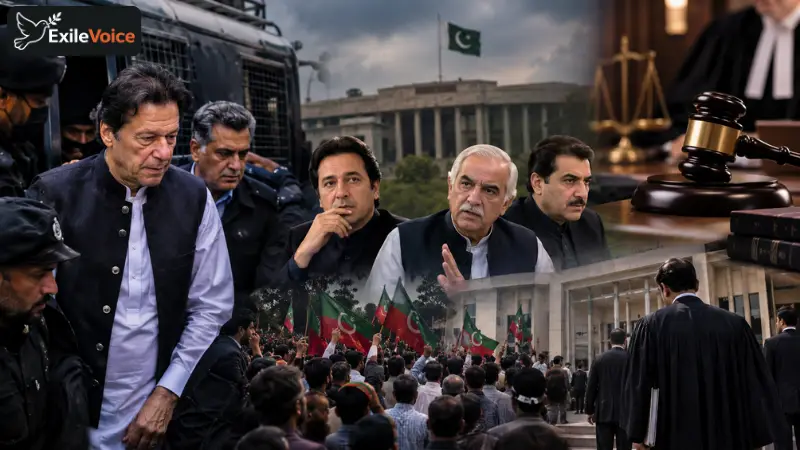
The concept of "Azadi" (freedom) in Pakistan has long been a subject of intense debate, particularly when juxtaposed against the backdrop of historical legacy and current political realities. On the occasion of Pakistan’s Independence Day, observers noted a stark contrast between the official narratives presented by state institutions and the lived experience of political figures who remain at the center of public discourse while being physically sidelined.
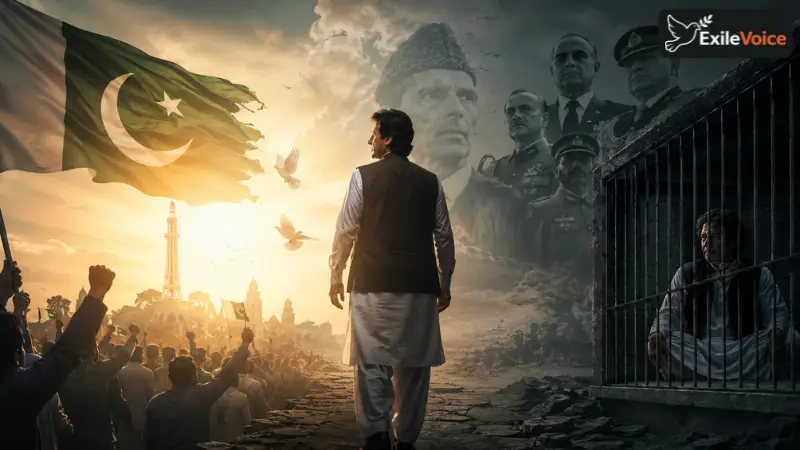
At the heart of this discussion is the ongoing incarceration of Imran Khan, the former Prime Minister. Supporters and commentators argue that despite his detention, he remains the most "free" man in the country, not in terms of physical movement, but in terms of ideological consistency and defiance against established power structures. This narrative challenges the conventional understanding of imprisonment, suggesting that true freedom lies in the ability to hold onto one's convictions without succumbing to external pressure.
Parallel to this, there has been a critical analysis of the erasure of historical figures from public commemorations. Figures like the founder of the nation, Quaid-e-Azam Muhammad Ali Jinnah, are described by some critics as being "kidnapped" from public view, replaced by the images of current political and military leadership. This observation is not merely about imagery; it touches on a deeper concern regarding the rewriting of national history and the struggle for civilian supremacy. The prioritization of current institutional faces over the founding fathers is seen as a deliberate attempt to shift the focus from the vision of a democratic, civilian-led state to one defined by contemporary power dynamics.
Furthermore, the professional and political landscape is reportedly marred by instances of coercion, where businesses and individuals are allegedly pressured to display certain political figures. These actions have ignited debates about the performative nature of patriotism and the degree to which state machinery is being used to manufacture public consent. As the country navigates these complexities, the discourse shifts towards a longing for "Haqeeqi Azadi" (real freedom), a state where civilian institutions, the judiciary, and the political process are free from interference, reflecting the true aspirations of the people.