

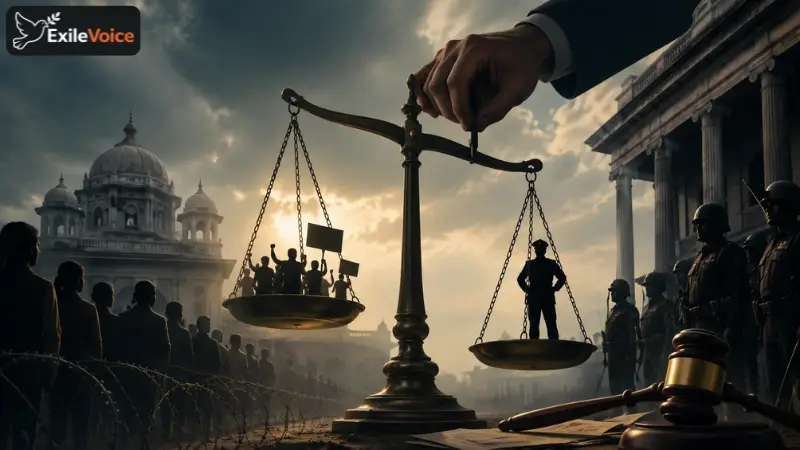
The current legislative environment in Punjab has become a focal point of intense scrutiny, particularly regarding the introduction of ordinances that critics describe as "draconian." The proposed legal framework, which seeks to expand the powers of administrative and police officials, has raised significant alarms among legal experts and political observers about the erosion of due process and civil liberties.
At the heart of the concern is the perceived shift toward a system where bureaucratic and law enforcement officials, such as commissioners and police heads, are granted powers traditionally reserved for the judiciary. The potential for such extensive authority to be used to suppress dissent, freeze assets, or limit the freedom of movement of individuals based on administrative discretion is substantial. Observers note that this approach mirrors colonial-era structures rather than modern democratic principles, effectively creating a framework where the definition of "criminal behavior" can be interpreted broadly by those in power.
Legislative debates in the Punjab Assembly have highlighted these tensions, with some political figures distancing themselves from the proposed laws, attributing their origin to executive rather than legislative consultation. The lack of transparency in how these laws are drafted and their potential for misuse against political opponents suggest a deepening crisis in provincial governance.
The implications for the average citizen are severe. If enacted, such laws could curtail basic freedoms under the guise of maintaining order, potentially leading to a environment where individuals are marginalized based on administrative or political profiling. Ensuring the rule of law requires a clear separation of powers, where the executive branch does not absorb judicial functions. A robust civil society and an independent legislative process are essential to counter these trends and ensure that provincial governance remains accountable to the public rather than serving the interests of an executive minority.

